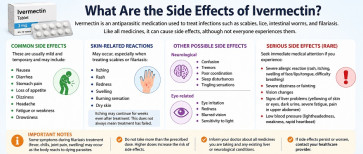
Ivermectin is a prescription antiparasitic medication used to treat a variety of parasitic infections in humans. It is commonly prescribed for conditions such as scabies, head lice, intestinal worm infections, and filariasis, a disease caused by parasitic worms transmitted through mosquito bites. While ivermectin is generally considered safe and effective when used as directed, it can cause side effects ranging from mild discomfort to rare but serious reactions.
Understanding the potential side effects of ivermectin, especially when used to treat filariasis, can help patients recognize normal treatment responses and know when to seek medical attention.
Common Side Effects of Ivermectin
Most people who take ivermectin experience either no side effects or only mild symptoms. Common side effects are usually temporary and often
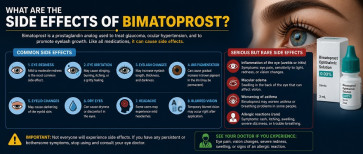
Bimatoprost has become a well-known medication in both ophthalmology and cosmetic care. Doctors commonly prescribe it to lower elevated eye pressure in patients with glaucoma or ocular hypertension, while a cosmetic formulation is used to enhance eyelash growth. Although the treatment is highly effective, many users are concerned about the side effects that may develop during long-term use. One of the most noticeable changes is eyelid darkening, a condition that can affect the appearance of the skin around the eyes.
Understanding why this happens, who may be at risk, and what other side effects can occur is important for anyone considering or currently using bimatoprost.





Validate your login