

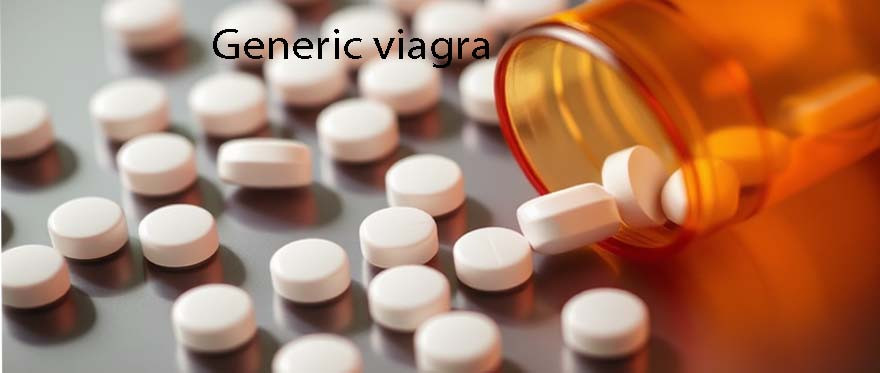
Viagra, whose generic name is sildenafil, is a medication commonly prescribed for the treatment of erectile dysfunction (ED). It works by increasing blood flow to the penis which helps a man achieve and maintain an erection when sexually aroused. While the effects of Viagra are relatively short-lived, understanding how long the drug stays in your system is important for its effective use and to avoid potential side effects or interactions with other medications.
The Active Life of Viagra: Understanding Its Duration
When taken orally, Viagra is typically absorbed into the bloodstream within 30 to 60 minutes. The time it takes for you to feel the effects can vary depending on several factors, including your metabolism, age, overall health, and whether you have taken the medication with food. Viagra's effects are usually felt within an hour of ingestion, and they typically last for about 4 to 5 hours. During this period, the drug helps facilitate an erection in response to sexual stimulation. However, it's important to note that Viagra does not cause an erection on its own.
Half-Life of Viagra
The "half-life" of a drug refers to the amount of time it takes for the concentration of the drug in the bloodstream to decrease by half. Viagra's half-life is roughly 4 hours. This means that after 4 hours, half of the drug will have been eliminated from your system. Generally, it takes about 5 half-lives for a drug to be fully cleared from your system. Therefore, Viagra is usually cleared from your system within 20 hours, although it could take up to 24 hours for some individuals.
The duration of Viagra's presence in your system may depend on various factors, including the dose you took, how your body metabolizes the drug, and any existing medical conditions you may have. For most individuals, Viagra will be out of the system within a day, but in some cases, traces of the drug may linger for a longer period.
Factors Affecting How Long Viagra Stays in Your System
Dosage: Generic Viagra is available in several dosages, ranging from 25 mg to 100 mg. The higher the dose, the longer it may take for the drug to be metabolized and cleared from your system.
Age: As we age, our liver and kidneys may function less efficiently, which can slow down the process of drug elimination. Older individuals may find that Viagra stays in their system a bit longer than it would in younger people.
Liver Function: The liver plays a significant role in metabolizing many medications, including Viagra. If you have liver impairment, it may take longer for your body to process and clear the drug. In such cases, your healthcare provider may recommend a lower dosage.
Kidney Function: The kidneys are involved in excreting drugs from the body. If you have impaired kidney function, Viagra could remain in your system for a longer time.
Metabolism: People with faster metabolisms will generally process and eliminate drugs more quickly than those with slower metabolisms. Factors such as genetics, diet, and physical activity level can all impact the speed at which your body breaks down Viagra.
Other Medications: Certain medications can interact with Viagra, affecting how long it stays in your system. For example, drugs that affect the liver’s cytochrome P450 enzyme system (like some antifungal medications or antibiotics) can slow down the breakdown of Viagra. On the other hand, medications that speed up this system may lead to faster elimination.
Health Conditions: Conditions such as diabetes heart disease, and hypertension can affect how your body processes Viagra. These conditions may either increase or decrease the amount of time it takes for the drug to be eliminated from your system.
Alcohol and Food: Drinking alcohol or eating a large meal before taking Viagra can impact its absorption and delay its effectiveness. Although food does not directly affect how long Viagra stays in your system, it may alter the onset and duration of its effects. Alcohol, especially in large amounts, can interfere with your ability to get and maintain an erection, making Viagra less effective. https://www.eonlinepharmacystore.com/mens-health
What Happens After Viagra Leaves Your System?
After Viagra is metabolized and cleared from your system, its immediate effects will dissipate. However, it’s important to understand that the drug’s action is not prolonged once it’s no longer in your body. If you still experience erectile difficulties after Viagra has worn off, you may need to take another dose or explore other treatment options.
Viagra and Drug Testing
If you are undergoing drug testing for employment, sports, or any other reason, it's unlikely that Viagra will show up on most standard drug tests. Viagra is not a drug that is typically tested for in routine screening, as it is not considered a controlled substance. However, if a blood or urine test specifically tests for sildenafil, it may detect traces of Viagra in your system. This is generally unlikely to happen unless there is a specific reason for such a test.
Key Takeaways
- Viagra’s effects last for approximately 4 to 5 hours after ingestion, but it can stay in your system for up to 24 hours depending on various factors.
- The drug’s half-life is around 4 hours, which means it takes about 20 to 24 hours for it to be eliminated from the body.
- Factors like age, liver function, kidney health, metabolism, and other medications can influence how long Viagra stays in your system.
- Most people will have the drug fully cleared from their system within a day, but individuals with slower metabolisms or underlying health conditions may experience a longer duration.
- Viagra does not typically appear on routine drug tests, but specialized tests could detect traces of it if necessary.
If you have concerns about how Generic viagra interacts with your health or how long it stays in your system, it's always best to consult your healthcare provider for personalized advice.







Validate your login