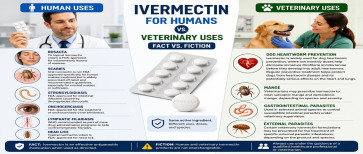
Ivermectin is a widely used antiparasitic medication in both human and veterinary medicine. Although the same active ingredient is used across different species, its approved uses, formulations, and dosing recommendations vary considerably. This has led to a common misconception that human and veterinary ivermectin products are interchangeable. In reality, they are developed for different medical purposes and should only be used as directed by a healthcare professional or veterinarian.
What Is Ivermectin?
Ivermectin belongs to a class of antiparasitic medications. It works by binding to specific chloride channels found in parasites, disrupting their nerve and muscle function. This causes paralysis and death
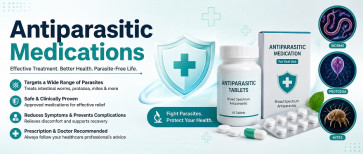
Parasitic infections affect millions of people worldwide each year. These infections can involve the intestines, skin, blood, or other organs and may be caused by parasitic worms, protozoa, mites, or lice. When left untreated, some parasitic infections can lead to persistent symptoms or serious health complications. Fortunately, antiparasitic medications for humans are available to treat many of these conditions effectively.
Healthcare providers prescribe different antiparasitic medicines depending on the type of parasite, the severity of the infection, and the patient's overall health. Early diagnosis and appropriate treatment can help relieve symptoms, eliminate parasites, and reduce the risk of transmission.
Premature ejaculation (PE) is one of the most common male sexual health concerns, yet it remains a topic many men find difficult to discuss. Reaching orgasm sooner than expected from time to time is normal, but if it happens regularly and causes frustration, relationship problems, or emotional stress, it may be time to consider premature ejaculation treatment.
The encouraging news is that premature ejaculation is often manageable. Advances in medical care, behavioral therapy, and lifestyle medicine have provided several effective options for men seeking better control over ejaculation and improved confidence. The right treatment depends on the underlying cause, overall health, and individual needs.
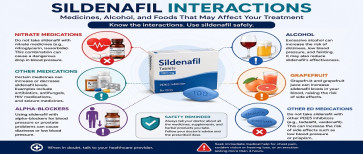
If you're taking sildenafil for erectile dysfunction (ED), you've probably focused on finding the right dose and learning how long it lasts. However, there's another important factor that deserves just as much attention—drug interactions. Certain medications, foods, and even alcohol can affect how sildenafil works in your body. Some interactions simply increase the chance of common side effects, while others can become serious medical emergencies.
Understanding sildenafil interactions doesn't mean you should avoid treatment. Instead, it helps you use the medication more safely and confidently. Here's what you need to know before taking sildenafil.
The Most Serious Interaction: Nitrate Medications
The most dangerous sildenafil interaction involves nitrate m
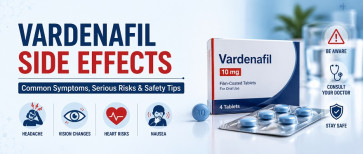
Vardenafil is a prescription medication used to treat erectile dysfunction (ED) in adult men. It belongs to a class of medicines known as phosphodiesterase type 5 (PDE5) inhibitors. During sexual stimulation, The helps relax smooth muscle in the blood vessels of the penis, allowing increased blood flow and supporting a natural erectile response. While the medication is generally well tolerated, it can cause side effects that range from mild and temporary to rare but potentially serious.
Understanding the possible side effects of vardenafil can help patients recognize normal reactions, reduce their risk of complications, and know when medical attention is necessary.
Why Does Vardenafil Cause Side Effects?
Vardenafil works by blocking the PDE5 enzyme, increasing levels of cyclic
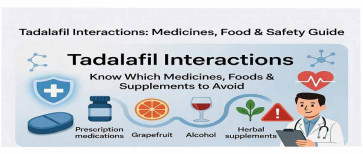
Tadalafil is a phosphodiesterase type 5 (PDE5) inhibitor prescribed for the treatment of erectile dysfunction (ED), benign prostatic hyperplasia (BPH), and pulmonary arterial hypertension (under specific formulations). By relaxing smooth muscle within blood vessels, tadalafil improves blood flow to targeted tissues. Although it is generally safe when prescribed appropriately, tadalafil can interact with certain medications, foods, supplements, and underlying medical conditions. Some interactions may increase the risk of adverse effects, while others can reduce the medication's effectiveness.
Before discussing potential interactions, it is helpful to understand what tadalafil is used for, including its approved indications for erectile dysfunction and other medical conditions..
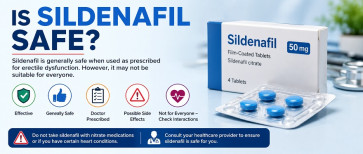
Sildenafil is a prescription medication widely used to treat erectile dysfunction (ED) in adult men. sildenafil has been extensively studied in clinical trials and real-world medical practice, making it one of the most well-established treatments for ED.
Many patients ask whether sildenafil is safe before starting treatment. The answer depends on several factors, including an individual's medical history, current medications, underlying health conditions, and whether the medicine is taken exactly as prescribed. For most healthy adults with erectile dysfunction, sildenafil has a favorable safety profile when used under the supervision of a qualified healthcare professional.
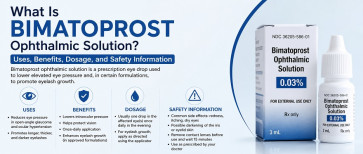
Bimatoprost ophthalmic solution is a prescription eye medication primarily used to lower elevated pressure inside the eyes and, in certain formulations, to enhance eyelash growth. It belongs to a class of medicines known as prostaglandin analogs, which help improve the natural drainage of fluid from the eye. By reducing intraocular pressure, bimatoprost helps protect the optic nerve and lowers the risk of vision loss caused by glaucoma.
This medication has become a trusted treatment option for millions of patients worldwide due to its effectiveness, once-daily dosing, and proven safety profile when used correctly. However, like all prescription medicines, it should only be used under the guidance of a healthcare professional.
What Is Bimatoprost Ophthalmic Solution?
Bimatoprost ophthalmic solution is a sterile liquid eye drop that contains bimatoprost as its active ingredient. It is commonly prescribed to treat open-angle
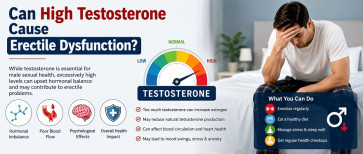
When most people think about testosterone, they associate it with masculinity, strength, and a healthy sex life. It's often believed that the higher your testosterone levels are, the better your sexual performance will be. But is that really true?
Surprisingly, the answer isn't as simple as "more testosterone equals better erections." While testosterone is essential for maintaining libido and supporting erectile function, having excessively high testosterone levels doesn't always improve sexual performance. In some situations, it may actually contribute to erectile dysfunction (ED), especially when elevated testosterone results from anabolic steroid use, hormone misuse, or certain medical conditions.
Erectile dysfunction affects millions of men worldwide and is often linked to poor blood circulation, diabetes, stress, obesity, or hormonal imbalances.
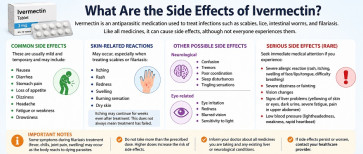
Ivermectin is a prescription antiparasitic medication used to treat a variety of parasitic infections in humans. It is commonly prescribed for conditions such as scabies, head lice, intestinal worm infections, and filariasis, a disease caused by parasitic worms transmitted through mosquito bites. While ivermectin is generally considered safe and effective when used as directed, it can cause side effects ranging from mild discomfort to rare but serious reactions.
Understanding the potential side effects of ivermectin, especially when used to treat filariasis, can help patients recognize normal treatment responses and know when to seek medical attention.



Validate your login