


Loss of Erection During the Excitement Phase: Causes, Signs, and Solutions
Sexual performance and intimacy are integral aspects of human relationships and overall well-being. For many men, achieving and sustaining an erection is not just a physical response but also a reflection of emotional, psychological, and physiological health. One issue that often creates stress and confusion is the loss of erection during the excitement phase—the early stage of sexual arousal when the body prepares for intercourse.
This phenomenon, though common, can be alarming, as men may feel it signals deeper health problems or emotional challenges. Understanding its causes, implications, and management strategies is crucial for both sexual health and confidence.
Understanding the Excitement Phase
The human sexual response cycle typically has four stages: excitement, plateau, orgasm, and resolution.
- Excitement phase: The body begins to respond to sexual stimuli. For men, this includes increased blood flow to the penis, resulting in erection, as well as heightened sensitivity, increased heart rate, and muscle tension.
- A healthy response in this phase involves achieving and sustaining an erection until moving into the plateau phase.
- When an erection is lost too early in this phase, it can disrupt the natural progression of intimacy.
Loss of erection during this stage is often referred to as early erectile dysfunction (ED) or situational impotence, depending on whether it occurs repeatedly or in isolated circumstances.
Reference:https://my.clevelandclinic.org/health/diseases/9121-sexual-dysfunction
Common Causes of Losing Erection in the Excitement Phase
The brain plays a vital role in initiating arousal. When mental or emotional barriers intervene, the body may fail to sustain an erection. Common psychological causes include:
- Past experiences: Negative sexual encounters may create subconscious fears or hesitations.
The penis relies on proper blood flow and nerve function to achieve erection. Several health problems interfere with this process:
- Cardiovascular disease: Narrowed blood vessels reduce penile blood supply.
- Diabetes: Damages nerves and blood vessels, leading to ED.
- Hormonal imbalances: Low testosterone decreases libido and erection quality.
- Neurological disorders: Conditions like multiple sclerosis or Parkinson’s affect nerve signals.
- Obesity and sedentary lifestyle: Both impair circulation and reduce stamina.
- Excessive alcohol consumption dulls the nervous system and reduces arousal.
- Drug use (recreational or certain prescription medications) may interfere with erectile function.
- Lack of sleep lowers testosterone and overall energy.
Relationship Issues
Sometimes, the issue does not lie within the body or mind individually but in relational dynamics:
- Lack of trust or unresolved conflicts between partners.
- Reduced attraction or emotional disconnect.
- Poor communication about sexual needs and expectations.
Signs That It May Be More Than Temporary
Occasional loss of erection during excitement is normal and often due to fatigue or stress. However, persistent issues may signal underlying erectile dysfunction or health concerns. Warning signs include:
- Losing erection frequently, despite strong desire.
- Difficulty achieving erection during both partnered sex and masturbation.
- Morning or spontaneous erections becoming rare.
- Presence of other health symptoms such as fatigue, weight gain, or decreased libido.
These may indicate conditions like low testosterone, vascular disease, or depression, which require medical attention.
Possible Health Implications
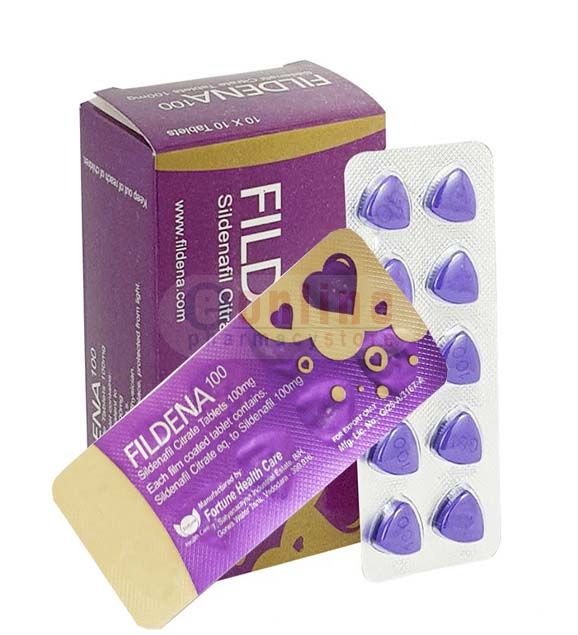
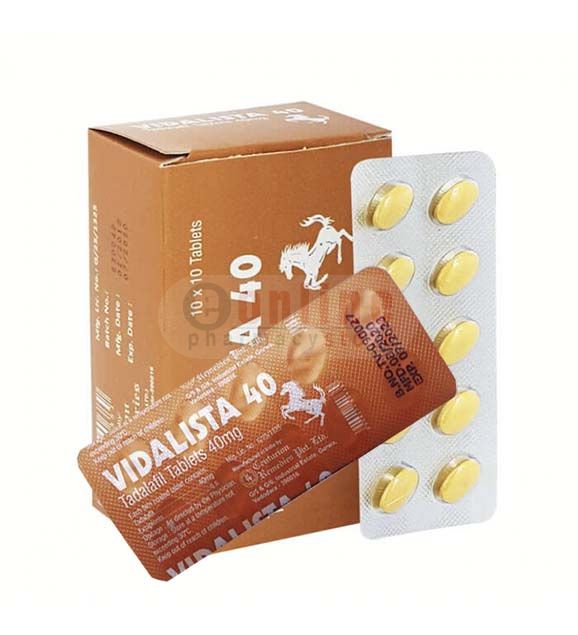
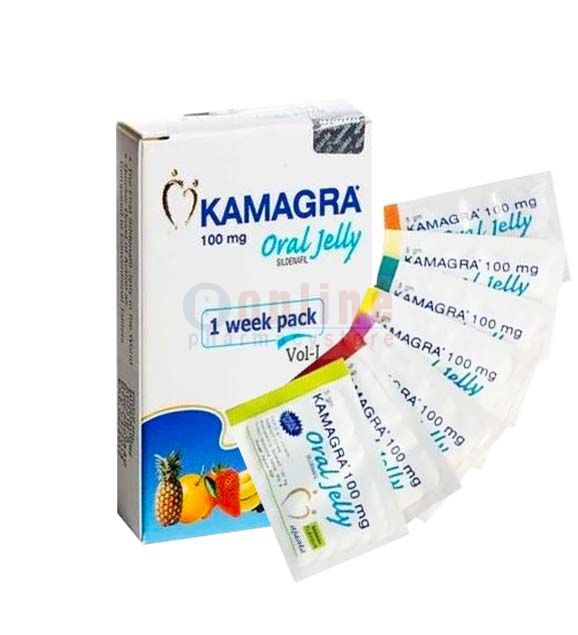
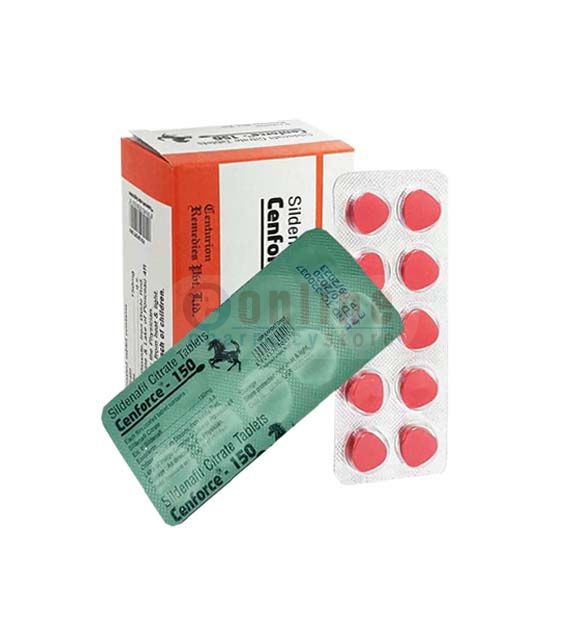
- Erectile Dysfunction (ED): If consistent, early loss of erection is a hallmark of ED. Phosphodiesterase inhibitors e.g., sildenafil, tadalafil medications enhance blood flow to the penis.
Oral Medications (PDE5 Inhibitors)
Cardiovascular Risk: Since penile arteries are smaller than coronary arteries, ED can be an early warning sign of heart disease.
Emotional Consequences: Repeated experiences may lower self-esteem, create relationship tension, and cause anxiety.
Medical Interventions
- Hormone therapy: For men with confirmed low testosterone levels.
- Treatment of underlying conditions: Managing diabetes, hypertension, or obesity can restore erectile function.
- Vacuum devices or penile implants: Options for men's sexual health with severe erectile dysfunction.
Psychological Therapies
- Counseling or sex therapy : Helps address performance anxiety, stress, or relationship issues.
- Cognitive-behavioral therapy (CBT): Useful in reframing negative thought patterns about sex.
- Couples therapy: Improves communication and intimacy between partners.
Alternative and Natural Approaches
- Herbal supplements like ginseng, maca root, or fenugreek (though results vary and should be used cautiously).
- Kegel exercises to strengthen pelvic floor muscles.
- Adequate rest and hydration for overall energy and stamina.
- Does baking soda and apple cider vinegar help with erectile dysfunction?
Preventive Tips
- Regular health check-ups to detect early signs of cardiovascular or hormonal issues.
- Open communication with your partner to reduce performance pressure.
- Moderation in alcohol and avoidance of recreational drugs.
- Prioritizing mental health along with physical well-being.
Losing an erection during the excitement phase is not uncommon, and experiencing it occasionally should not cause alarm. However, frequent or persistent occurrences may point to psychological, medical, or relational issues that deserve attention. Recognizing this symptom early allows men to seek proper care, prevent complications, and restore confidence in their sexual health.
Addressing lifestyle habits, maintaining open communication with partners, and consulting healthcare professionals when necessary can greatly improve outcomes. Ultimately, sexual health is a reflection of overall health—taking care of both mind and body is the best approach to sustaining strong and fulfilling intimate experiences.


Validate your login