


Erectile dysfunction (ED) is a common condition that affects a significant portion of the male population, especially as they age. The condition can be caused by various factors, including physical, psychological, or a combination of both. While treatments for ED have existed for decades, there have been advancements in both the understanding of the condition and the options available for treatment. This article explores the latest treatments for erectile dysfunction, covering pharmacological, non-pharmacological, and surgical options.
Shockwave Therapy (Low-Intensity Shockwave Therapy - LiSWT)
Low-intensity shockwave therapy (LiSWT) is one of the most exciting recent treatments for ED. It involves using high-frequency sound waves to stimulate blood flow to the penis, improving endothelial function and promoting the growth of new blood vessels. The treatment is non-invasive, typically administered in a series of sessions, and has shown promise in men who have vascular causes of ED, especially in cases where PDE5 inhibitors have not been effective.
Several clinical studies have demonstrated the potential of LiSWT to improve erectile function, with some showing lasting effects for up to a year following treatment. The procedure is generally well-tolerated, though its long-term benefits and efficacy compared to other treatments are still under investigation.
Reference: https://www.mayoclinic.org/diseases-conditions/erectile-dysfunction/symptoms-causes/syc-20355776
Stem Cell Therapy
Another cutting-edge treatment being explored for ED is stem cell therapy. Researchers are investigating both autologous stem cells (derived from the patient’s own body) and allogeneic stem cells (from a donor) as a means of treating ED caused by nerve damage, diabetes, or other conditions.
While clinical trials are still in the early stages, early results suggest that stem cell therapy may improve erectile function and even provide long-term benefits in some patients. However, it is important to note that this treatment is not yet FDA-approved and requires further research before it can be recommended for widespread use.
Oral Medications (PDE5 Inhibitors)
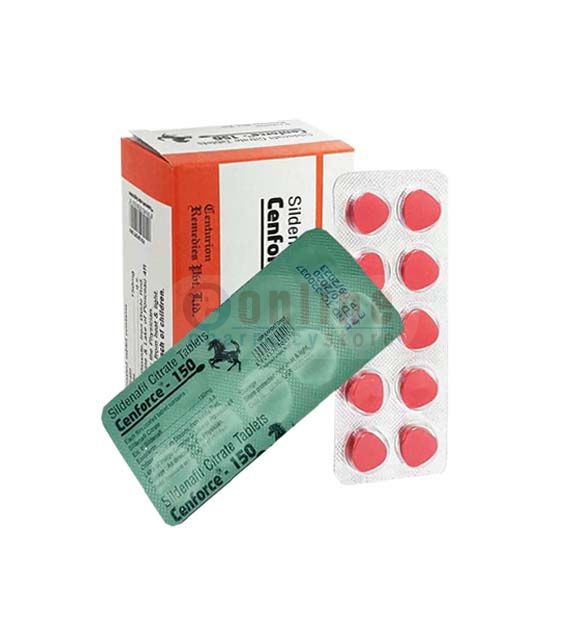

The class of drugs known as phosphodiesterase type 5 (PDE5) inhibitors remains the first line of treatment for most men with ED. Tadalafil work by enhancing the effects of nitric oxide, a natural chemical in the body that relaxes muscles in the penis, allowing blood flow to increase and facilitate an erection.
Recent advancements in PDE5 inhibitors have focused on improving their duration of action and reducing side effects. Tadalafil vidalista, for instance, is known as the “weekend pill” due to its extended half-life, allowing for spontaneous sexual activity. New formulations are being tested to reduce side effects like headaches, back pain, and visual disturbances.
Penile Implants (Surgical Option)
For men with severe ED who do not respond to other treatments, penile implants (prostheses) can offer a permanent solution. The inflatable implants are the most commonly used, and they allow the user to control the rigidity and size of the erection through a pump mechanism.
Recent advancements in penile implant technology have focused on reducing the risk of complications, improving durability, and offering more natural-feeling results. Additionally, improvements in the materials used, such as silicone and titanium, have led to better outcomes and lower rates of infection or malfunction.
Psychotherapy and Counseling
While this is not a “new” treatment per se, the role of psychological counseling in the treatment of ED has gained renewed emphasis. ED often has an emotional or psychological component, such as performance anxiety, stress, or relationship issues. Recent research suggests that combining pharmacological treatments with therapy, particularly cognitive-behavioral therapy (CBT) or sex therapy, can enhance outcomes.
Additionally, there has been a rise in the use of telemedicine and online therapy platforms to deliver psychological support to men with ED, making treatment more accessible and confidential.
Gene Therapy and Molecular Interventions
In this approach, genes responsible for erectile function are delivered directly into the penile tissue to repair or regenerate damaged structures. Clinical trials are underway to assess the effectiveness of these therapies, and early results suggest that gene therapy could potentially provide a long-term cure for some men with ED.
The landscape of erectile dysfunction treatment has evolved significantly, with numerous options now available for men. Whether through oral medications, advanced therapies like shockwave treatment or stem cell therapy, or even surgical interventions like penile implants, men have a wide range of options to address ED. New advancements, particularly in the realm of regenerative medicine like cenforce and personalized treatments, are likely to improve the effectiveness and outcomes of ED treatments in the coming years. However, as with any medical condition, it’s crucial for men to consult with a healthcare provider to determine the most appropriate treatment based on their specific needs and health conditions.
Reference: https://pmc.ncbi.nlm.nih.gov/articles/PMC10216368/



Validate your login