

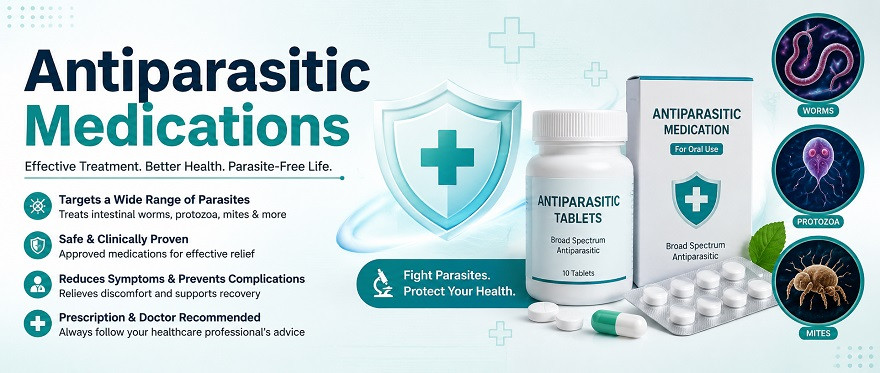
Parasitic infections affect millions of people worldwide each year. These infections can involve the intestines, skin, blood, or other organs and may be caused by parasitic worms, protozoa, mites, or lice. When left untreated, some parasitic infections can lead to persistent symptoms or serious health complications. Fortunately, antiparasitic medications for humans are available to treat many of these conditions effectively.
Healthcare providers prescribe different antiparasitic medicines depending on the type of parasite, the severity of the infection, and the patient's overall health. Early diagnosis and appropriate treatment can help relieve symptoms, eliminate parasites, and reduce the risk of transmission.
filariasis treatment : The parasitic infection caused by thread-like worms transmitted through mosquito bites. Antiparasitic medications for filariasis help reduce the number of parasites in the body and prevent disease progression. Depending on the type of filarial infection, healthcare providers may prescribe medications such as diethylcarbamazine (DEC), ivermectin, or albendazole. Early diagnosis and appropriate treatment are important to reduce complications and limit transmission.
What Are Antiparasitic Medications?
Antiparasitic medications are drugs designed to treat infections caused by parasites. Unlike antibiotics, which target bacteria, these medicines specifically work against organisms that live in or on the human body.
They are commonly prescribed to treat:
- Intestinal worm infections
- Protozoal infections
- Scabies treatment for humans
- Head and body lice
- Certain tropical parasitic diseases
Treatment should always be based on a confirmed diagnosis whenever possible, as different parasites require different medications.
Common Types of Antiparasitic Medications
Several antiparasitic drugs are used in clinical practice. The most appropriate choice depends on the parasite being treated.
Albendazole
Albendazole is a broad-spectrum antiparasitic medication used to treat many intestinal worm infections, including:
- Roundworms
- Hookworms
- Pinworms
- Whipworms
- Certain tapeworm infections
It works by preventing parasites from absorbing glucose, eventually causing them to die.
Mebendazole
Mebendazole is another commonly prescribed medication for intestinal worms. It is effective against several common helminth infections and may be given as a single dose or a short treatment course.
Ivermectin
Ivermectin is widely used for treating:
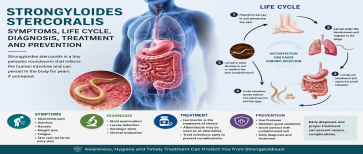
- Strongyloidiasis
- Onchocerciasis (river blindness)
- Certain parasitic skin infections
- Scabies medication in selected patients when oral therapy is appropriate
It works by interfering with the parasite's nervous system, leading to paralysis and death.
Permethrin
Permethrin is a topical antiparasitic medication commonly prescribed for:
- Scabies treatment for humans
- Head lice
- Pubic lice
It is considered a first-line treatment for uncomplicated scabies in many clinical guidelines.
Metronidazole
Metronidazole treats several protozoal infections, including:
- Giardiasis
- Amebiasis
- Trichomoniasis
Although often classified as an antimicrobial medicine, it also has important antiparasitic activity.
Nitazoxanide
Nitazoxanide is commonly prescribed for certain intestinal protozoal infections, particularly those caused by Giardia lamblia and Cryptosporidium parvum.
Conditions Treated with Antiparasitic Medications
Antiparasitic medications may be prescribed for:
- Pinworm infection
- Roundworm infection
- Hookworm infection
- Whipworm infection
- Tapeworm infection
- Strongyloidiasis
- Giardiasis
- Amebiasis
- Scabies treatment for humans
- Head lice
- River blindness
- Selected filarial infections
Because symptoms of parasitic infections can resemble those of other illnesses, medical evaluation is recommended before starting treatment.
Scabies Medication: What You Should Know
Scabies is a contagious skin infestation caused by the Sarcoptes scabiei mite. It typically causes intense itching, especially at night, along with small bumps, burrows, or a rash.
Scabies medication usually includes prescription topical or oral antiparasitic drugs that kill the mites and their eggs. Common treatment options include:
- Permethrin 5% cream
- Oral ivermectin (for selected patients)
- Additional medicines to relieve itching if needed
Successful treatment often requires treating close household contacts and washing clothing, towels, and bedding to reduce the risk of reinfestation.
For more information about scabies treatment for humans, including symptoms, diagnosis, medications, and prevention, read our detailed guide:
How Do Antiparasitic Medications Work?
Different antiparasitic medications work in different ways. Depending on the drug, they may:
- Kill adult parasites
- Damage parasite cells
- Prevent nutrient absorption
- Paralyze parasites
- Stop parasite growth and reproduction
Some medications eliminate only adult parasites, making repeat treatment necessary to destroy newly hatched parasites.
Possible Side Effects
Like all medications,antiparasitic drugs may cause side effects, although many people tolerate them well.
Common side effects include:
- Nausea
- Vomiting
- Mild stomach discomfort
- Diarrhea
- Headache
- Dizziness
- Skin irritation with topical medications
Serious side effects are uncommon but may include allergic reactions or liver-related complications. Seek medical attention if severe symptoms occur.
Safety and Precautions
Before taking any antiparasitic medication, inform your healthcare provider if you:
- Are pregnant or breastfeeding
- Have liver or kidney disease
- Take prescription or over-the-counter medicines
- Have a history of drug allergies
- Are treating young children or older adults
Never take antiparasitic medications without professional advice, especially prescription medicines such as ivermectin or albendazole.
Preventing Parasitic Infections
Good hygiene and sanitation can significantly reduce the risk of parasitic infections.
Helpful preventive measures include:
- Wash hands frequently with soap and water.
- Drink safe, clean water.
- Cook meat thoroughly.
- Wash fruits and vegetables before eating.
- Avoid sharing personal items during lice or scabies outbreaks.
- Wash bedding, towels, and clothing during scabies treatment for humans.
- Follow your healthcare provider's instructions to prevent reinfection.
Conclusion
Antiparasitic medications for humans are essential for treating a wide range of infections caused by worms, protozoa, mites, and lice. Medicines such as albendazole, mebendazole, ivermectin, permethrin, metronidazole, and nitazoxanide should be used according to the specific parasite involved and under medical supervision. If you suspect a parasitic infection or need scabies medication, seek a proper diagnosis from a healthcare professional to receive the most appropriate treatment and reduce the risk of complications





Validate your login