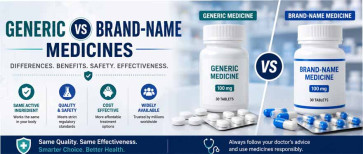
When a doctor prescribes a medicine, patients may have a choice between a brand-name product and a generic version. This often leads to questions about their differences, effectiveness, safety, and cost. Although generic and brand-name medicines may have different names, packaging, colors, or shapes, an approved generic medicine contains the same active ingredient as its corresponding brand-name medicine.
Understanding how these medicines compare can help patients make informed decisions and use medications more safely.
What Is a Generic Medicine?
A generic medicine is a medication that contains the same active ingredient as an approved brand-name medicine. It is generally intended to provide the same therapeutic effect when used
Strongyloides stercoralis is a soil-transmitted parasitic roundworm responsible for strongyloidiasis. What makes this infection medically important is not simply its ability to affect the intestine, but its unusual capacity to remain inside the human body for years through autoinfection. A person may therefore carry the parasite without significant symptoms and later develop severe disease if their immune system becomes suppressed.
Strongyloidiasis occurs predominantly in tropical and subtropical regions, although infections are also recognized in temperate areas. WHO estimates that approximately 300–600 million people may be infected worldwide, highlighting the substantial but frequently underrecognized burden of this parasitic disease.
Ivermectin is a widely used antiparasitic medication in both human and veterinary medicine. Although the same active ingredient is used across different species, its approved uses, formulations, and dosing recommendations vary considerably. This has led to a common misconception that human and veterinary ivermectin products are interchangeable. In reality, they are developed for different medical purposes and should only be used as directed by a healthcare professional or veterinarian.
What Is Ivermectin?
Ivermectin belongs to a class of antiparasitic medications. It works by binding to specific chloride channels found in parasites, disrupting their nerve and muscle function. This causes paralysis and death
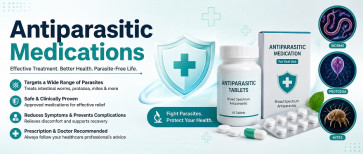
Parasitic infections affect millions of people worldwide each year. These infections can involve the intestines, skin, blood, or other organs and may be caused by parasitic worms, protozoa, mites, or lice. When left untreated, some parasitic infections can lead to persistent symptoms or serious health complications. Fortunately, antiparasitic medications for humans are available to treat many of these conditions effectively.
Healthcare providers prescribe different antiparasitic medicines depending on the type of parasite, the severity of the infection, and the patient's overall health. Early diagnosis and appropriate treatment can help relieve symptoms, eliminate parasites, and reduce the risk of transmission.
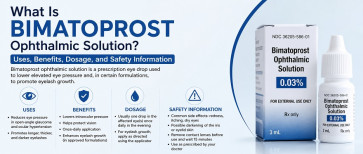
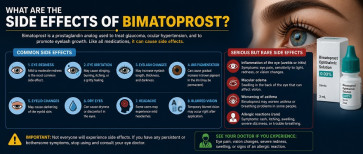
Bimatoprost ophthalmic solution is a prescription eye medication primarily used to lower elevated pressure inside the eyes and, in certain formulations, to enhance eyelash growth. It belongs to a class of medicines known as prostaglandin analogs, which help improve the natural drainage of fluid from the eye. By reducing intraocular pressure, bimatoprost helps protect the optic nerve and lowers the risk of vision loss caused by glaucoma.
This medication has become a trusted treatment option for millions of patients worldwide due to its effectiveness, once-daily dosing, and proven safety profile when used correctly. However, like all prescription medicines, it should only be used under the guidance of a healthcare professional.
What Is Bimatoprost Ophthalmic Solution?
Bimatoprost ophthalmic solution is a sterile liquid eye drop that contains bimatoprost as its active ingredient. It is commonly prescribed to treat open-angle
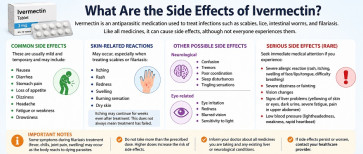
Ivermectin is a prescription antiparasitic medication used to treat a variety of parasitic infections in humans. It is commonly prescribed for conditions such as scabies, head lice, intestinal worm infections, and filariasis, a disease caused by parasitic worms transmitted through mosquito bites. While ivermectin is generally considered safe and effective when used as directed, it can cause side effects ranging from mild discomfort to rare but serious reactions.
Understanding the potential side effects of ivermectin, especially when used to treat filariasis, can help patients recognize normal treatment responses and know when to seek medical attention.
Bimatoprost has become a well-known medication in both ophthalmology and cosmetic care. Doctors commonly prescribe it to lower elevated eye pressure in patients with glaucoma or ocular hypertension, while a cosmetic formulation is used to enhance eyelash growth. Although the treatment is highly effective, many users are concerned about the side effects that may develop during long-term use. One of the most noticeable changes is eyelid darkening, a condition that can affect the appearance of the skin around the eyes.
Understanding why this happens, who may be at risk, and what other side effects can occur is important for anyone considering or currently using bimatoprost.
Understanding How Bimatoprost Works
Bimatoprost is classified as a prostaglandin analog. In glaucoma treatment,





Validate your login