

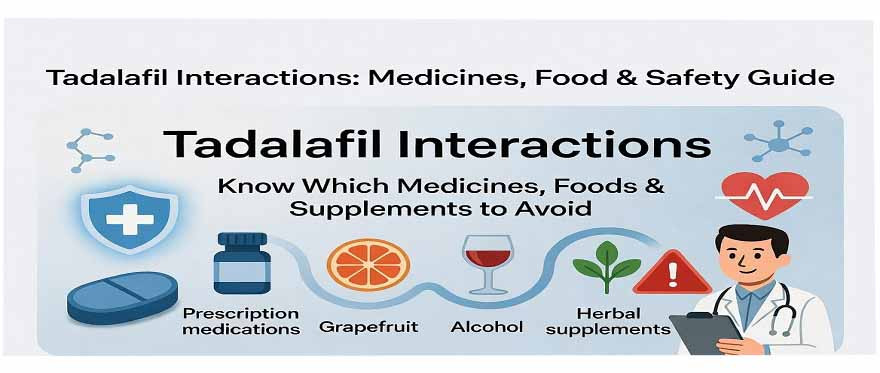
Tadalafil is a phosphodiesterase type 5 (PDE5) inhibitor prescribed for the treatment of erectile dysfunction (ED), benign prostatic hyperplasia (BPH), and pulmonary arterial hypertension (under specific formulations). By relaxing smooth muscle within blood vessels, tadalafil improves blood flow to targeted tissues. Although it is generally safe when prescribed appropriately, tadalafil can interact with certain medications, foods, supplements, and underlying medical conditions. Some interactions may increase the risk of adverse effects, while others can reduce the medication's effectiveness.
Before discussing potential interactions, it is helpful to understand what tadalafil is used for, including its approved indications for erectile dysfunction and other medical conditions..
Nitrate Medications
The most significant interaction involves nitrate medications, which are commonly prescribed to treat angina and other cardiovascular conditions. Both nitrates and tadalafil dilate blood vessels. When taken together, they can produce a profound reduction in blood pressure that may result in dizziness, fainting, myocardial infarction, or stroke.
Examples of nitrate medications include:
- Nitroglycerin
- Isosorbide mononitrate
- Isosorbide dinitrate
- Nitroglycerin patches and sprays
Patients taking any form of nitrate therapy should not use tadalafil.
Alpha-Blockers
Alpha-blockers are prescribed for hypertension and lower urinary tract symptoms associated with benign prostatic hyperplasia. Because both alpha-blockers and tadalafil lower blood pressure, concurrent use may increase the risk of symptomatic hypotension.
Examples include:
- Tamsulosin
- Doxazosin
- Terazosin
- Alfuzosin
- Prazosin
Healthcare providers may recommend initiating treatment with the lowest effective tadalafil dose and monitoring blood pressure closely.
Antihypertensive Medications
Tadalafil may enhance the blood pressure-lowering effects of antihypertensive drugs. Although many patients safely use both therapies, some individuals may experience dizziness or lightheadedness, particularly when beginning treatment.
Examples include:
- ACE inhibitors
- Angiotensin receptor blockers (ARBs)
- Calcium channel blockers
- Beta-blockers
- Diuretics
Regular blood pressure monitoring is advisable when these medications are used together.
CYP3A4 Inhibitors
Tadalafil is metabolized primarily by CYP3A4. Strong CYP3A4 inhibitors slow its metabolism, increasing plasma tadalafil concentrations and prolonging its effects.
Common CYP3A4 inhibitors include:
- Ketoconazole
- Itraconazole
- Clarithromycin
- Erythromycin
- Ritonavir
- Cobicistat
Elevated tadalafil levels may increase the risk of headache, flushing, nasal congestion, muscle pain, hypotension, and prolonged erections. Dose adjustment may be necessary.
CYP3A4 Inducers
Certain medications accelerate CYP3A4 activity, causing tadalafil to be eliminated more rapidly and potentially reducing its effectiveness.
Examples include:
- Rifampin
- Carbamazepine
- Phenytoin
- Phenobarbital
Patients receiving these medications may experience a diminished response to tadalafil.
Other PDE5 Inhibitors
Tadalafil should not be combined with other PDE5 inhibitors used to treat erectile dysfunction. Combining these medications does not improve efficacy and significantly increases the risk of adverse effects, including severe hypotension and priapism.
Examples include
avanafil
Riociguat
Riociguat, a soluble guanylate cyclase stimulator used for pulmonary hypertension, should not be taken with tadalafil. The combination can produce excessive vasodilation and severe hypotension.
Alcohol
Excessive alcohol intake may intensify tadalafil's blood pressure-lowering effects. Patients may experience dizziness, headache, rapid heartbeat, or fainting, especially when consuming large quantities of alcohol.
Moderate alcohol consumption may be tolerated by some individuals; however, excessive intake should be avoided while using tadalafil.
Grapefruit Products
Grapefruit and grapefruit juice inhibit CYP3A4 enzymes in the intestine, which may increase tadalafil absorption and blood concentrations. Higher tadalafil levels may increase the likelihood of side effects, including flushing, headache, muscle aches, and hypotension. For better men's health, patients who consume grapefruit regularly should discuss its use with their healthcare provider before taking tadalafil..
Herbal Supplements
Several herbal products and dietary supplements may interact with tadalafil.
Potentially significant supplements include:
- St. John's Wort, which may reduce tadalafil effectiveness by inducing CYP3A4.
- Yohimbe, which may increase cardiovascular stimulation.
- L-arginine and nitric oxide supplements, which may further lower blood pressure when combined with tadalafil.
Patients should inform their healthcare provider about all supplements they use.
Medical Conditions Requiring Caution
Certain medical conditions may increase the risks associated with tadalafil therapy. These include:
- Severe cardiovascular disease
- Recent myocardial infarction or stroke
- Uncontrolled hypertension or hypotension
- Severe hepatic impairment
- Significant renal impairment
- Retinitis pigmentosa
- Anatomical penile deformities
- Sickle cell disease
- Leukemia
- Multiple myeloma
- History of priapism
Careful medical evaluation is necessary before initiating treatment in these patients.
Warning Signs of a Serious Interaction
Some tadalafil interactions can cause serious medical complications that require immediate attention. Seek emergency medical care if any of the following occur after taking tadalafil:
- Chest pain
- Severe dizziness or fainting
- Sudden vision loss
- Sudden hearing loss
- Difficulty breathing
- An erection lasting longer than four hours (priapism)
These symptoms may indicate a serious adverse reaction related to tadalafil interactions and should be evaluated by a healthcare professional without delay.
Conclusion
Tadalafil is an effective and well-established treatment for erectile dysfunction and other approved indications, but its safety depends on appropriate use and awareness of potential interactions. The most important contraindication is the concurrent use of nitrate medications because of the risk of life-threatening hypotension. Other medications, including alpha-blockers, antihypertensive agents, CYP3A4 inhibitors, and CYP3A4 inducers, may require dose adjustments or careful monitoring. Alcohol, grapefruit products, and certain herbal supplements can also influence tadalafil's safety profile. Patients who want to better understand tadalafil daily uses and side effects should consult their healthcare provider before beginning treatment. Providing a complete list of all prescription medications, over-the-counter drugs, and dietary supplements helps ensure tadalafil is used safely and effectively.
Frequently Asked Questions (FAQs)
What are the most common tadalafil interactions?
The most common tadalafil interactions involve nitrate medications, alpha-blockers, certain antibiotics, antifungal drugs, and medications that affect blood pressure or liver enzymes.
Can tadalafil interactions cause serious side effects?
Yes. Some tadalafil interactions may lead to severe low blood pressure, dizziness, fainting, or prolonged erections that require immediate medical attention.
Can grapefruit increase tadalafil side effects?
Yes. Grapefruit and grapefruit juice may raise tadalafil levels in the body, increasing the risk of side effects such as headache, flushing, and low blood pressure.
Why should tadalafil not be taken with nitrate medications?
Combining tadalafil with nitrate medications can cause a dangerous drop in blood pressure and is considered contraindicat
Should I tell my doctor about vitamins and herbal supplements before taking tadalafil?
Yes. Always inform your healthcare provider about all vitamins, herbal products, and dietary supplements, as some may interact with tadalafil or affect its safety.




Validate your login