Premature ejaculation (PE) is one of the most common male sexual health concerns, yet it remains a topic many men find difficult to discuss. Reaching orgasm sooner than expected from time to time is normal, but if it happens regularly and causes frustration, relationship problems, or emotional stress, it may be time to consider premature ejaculation treatment.
The encouraging news is that premature ejaculation is often manageable. Advances in medical care, behavioral therapy, and lifestyle medicine have provided several effective options for men seeking better control over ejaculation and improved confidence. The right treatment depends on the underlying cause, overall health, and individual needs.
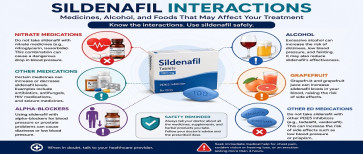
If you're taking sildenafil for erectile dysfunction (ED), you've probably focused on finding the right dose and learning how long it lasts. However, there's another important factor that deserves just as much attention—drug interactions. Certain medications, foods, and even alcohol can affect how sildenafil works in your body. Some interactions simply increase the chance of common side effects, while others can become serious medical emergencies.
Understanding sildenafil interactions doesn't mean you should avoid treatment. Instead, it helps you use the medication more safely and confidently. Here's what you need to know before taking sildenafil.
The Most Serious Interaction: Nitrate Medications
The most dangerous sildenafil interaction involves nitrate m
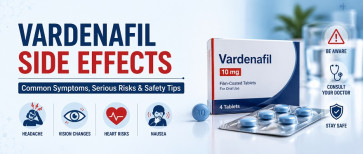
Vardenafil is a prescription medication used to treat erectile dysfunction (ED) in adult men. It belongs to a class of medicines known as phosphodiesterase type 5 (PDE5) inhibitors. During sexual stimulation, The helps relax smooth muscle in the blood vessels of the penis, allowing increased blood flow and supporting a natural erectile response. While the medication is generally well tolerated, it can cause side effects that range from mild and temporary to rare but potentially serious.
Understanding the possible side effects of vardenafil can help patients recognize normal reactions, reduce their risk of complications, and know when medical attention is necessary.
Why Does Vardenafil Cause Side Effects?
Vardenafil works by blocking the PDE5 enzyme, increasing levels of cyclic
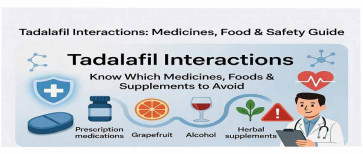
Tadalafil is a phosphodiesterase type 5 (PDE5) inhibitor prescribed for the treatment of erectile dysfunction (ED), benign prostatic hyperplasia (BPH), and pulmonary arterial hypertension (under specific formulations). By relaxing smooth muscle within blood vessels, tadalafil improves blood flow to targeted tissues. Although it is generally safe when prescribed appropriately, tadalafil can interact with certain medications, foods, supplements, and underlying medical conditions. Some interactions may increase the risk of adverse effects, while others can reduce the medication's effectiveness.
Before discussing potential interactions, it is helpful to understand what tadalafil is used for, including its approved indications for erectile dysfunction and other medical conditions..
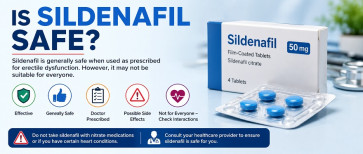
Sildenafil is a prescription medication widely used to treat erectile dysfunction (ED) in adult men. sildenafil has been extensively studied in clinical trials and real-world medical practice, making it one of the most well-established treatments for ED.
Many patients ask whether sildenafil is safe before starting treatment. The answer depends on several factors, including an individual's medical history, current medications, underlying health conditions, and whether the medicine is taken exactly as prescribed. For most healthy adults with erectile dysfunction, sildenafil has a favorable safety profile when used under the supervision of a qualified healthcare professional.
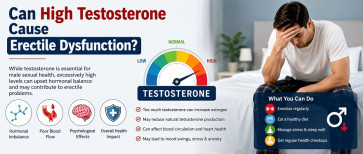
When most people think about testosterone, they associate it with masculinity, strength, and a healthy sex life. It's often believed that the higher your testosterone levels are, the better your sexual performance will be. But is that really true?
Surprisingly, the answer isn't as simple as "more testosterone equals better erections." While testosterone is essential for maintaining libido and supporting erectile function, having excessively high testosterone levels doesn't always improve sexual performance. In some situations, it may actually contribute to erectile dysfunction (ED), especially when elevated testosterone results from anabolic steroid use, hormone misuse, or certain medical conditions.
Erectile dysfunction affects millions of men worldwide and is often linked to poor blood circulation, diabetes, stress, obesity, or hormonal imbalances.
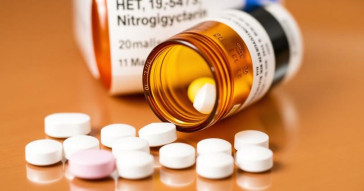
Erectile dysfunction (ED) and heart disease often occur in the same age group, particularly among men over 40. As a result, some men may find themselves prescribed medications for both conditions. One of the most well-known ED medications is Viagra, while nitroglycerin is commonly used to treat chest pain caused by heart disease.
Although both medications are effective and widely prescribed, combining them can be extremely dangerous. In fact, doctors strongly warn patients never to take Viagra and nitroglycerin together because the interaction can lead to a life-threatening drop in blood pressure.
This article explains in detail why these two medications should never
Erectile dysfunction (ED) is a common condition that affects a significant portion of the male population, especially as they age. The condition can be caused by various factors, including physical, psychological, or a combination of both. While treatments for ED have existed for decades, there have been advancements in both the understanding of the condition and the options available for treatment. This article explores the latest treatments for erectile dysfunction, covering pharmacological, non-pharmacological, and surgical options.
Low-intensity shockwave therapy (LiSWT) is one of the most exciting recent treatments for ED. It involves using high-frequency sound waves to stimulate blood flow to the penis, improving endothelial function and promoting the growth of new blood vessels. The treatment is non-invasive, typically administered in a series of sessions, and has shown promise
Viagra, whose generic name is sildenafil, is a medication commonly prescribed for the treatment of erectile dysfunction (ED). It works by increasing blood flow to the penis which helps a man achieve and maintain an erection when sexually aroused. While the effects of Viagra are relatively short-lived, understanding how long the drug stays in your system is important for its effective use and to avoid potential side effects or interactions with other medications.
The Active Life of Viagra: Understanding Its Duration
When taken orally, Viagra is typically absorbed into the bloodstream within 30 to 60 minutes. The time it takes for you to feel the effects can vary depending on several factors, including your metabolism, age, overall
There are a lot of pressures in general that people are facing in life these days. Majority of the people have a lot on their mind around the clock. All of this in the end has an impact on one’s health. This is the major reason pointed out by many of the medical research studies as to what is causing all of these medical issues in people who are quite young and strictly speaking should not be having these issues. Further more research has also hinted on the fact that the first thing on which all this stress and pressure has its toll is the hormones of the body. Now the hormones of the body are quite sensitive and they don’t work well when their working is tempered with, the result is that the person then suffers from a number of issues. In men under these circumstances the problem that first starts to show is that of trouble with one’s health. The major reason being that this system of the individual is the one that deals with the h






Validate your login