

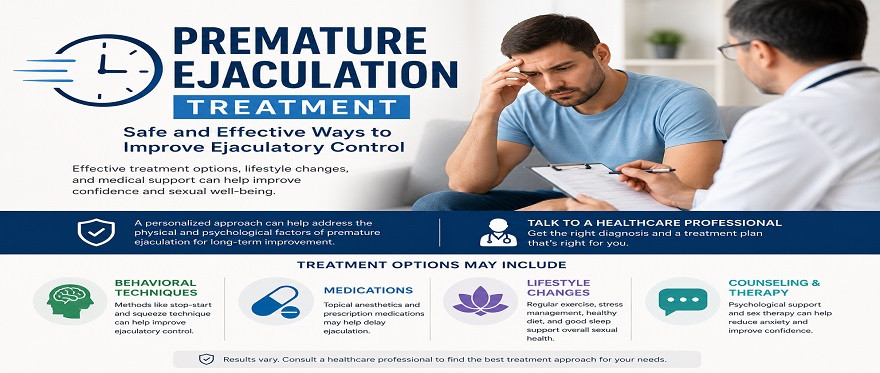
Premature ejaculation (PE) is one of the most common male sexual health concerns, yet it remains a topic many men find difficult to discuss. Reaching orgasm sooner than expected from time to time is normal, but if it happens regularly and causes frustration, relationship problems, or emotional stress, it may be time to consider premature ejaculation treatment.
The encouraging news is that premature ejaculation is often manageable. Advances in medical care, behavioral therapy, and lifestyle medicine have provided several effective options for men seeking better control over ejaculation and improved confidence. The right treatment depends on the underlying cause, overall health, and individual needs.
Understanding Why Premature Ejaculation Happens
Before choosing a treatment for premature ejaculation, it is important to understand what may be contributing to the condition. There is rarely a single cause. Instead, several physical and psychological factors often work together.
Performance anxiety is one of the most common reasons. Worrying about sexual performance can make it more difficult to control ejaculation. Stress, depression, relationship difficulties, and low self-confidence may also play a role.
Physical conditions can contribute as well. Hormonal imbalances, inflammation of the prostate, thyroid disorders, erectile dysfunction, and certain neurological conditions have all been associated with premature ejaculation. Identifying these underlying issues allows healthcare providers to recommend the most appropriate treatment plan.
Treatment for Premature Ejaculation: Finding the Right Solution
Many men wonder how to stop premature ejaculation without immediately relying on medication. Behavioral techniques are often recommended as a first step because they help improve awareness and control during sexual activity.
One widely used method is the start-stop technique. During sexual stimulation, activity is paused just before ejaculation, allowing arousal to decrease before continuing. With regular practice, many men become better at recognizing the point before ejaculation and delaying orgasm.
Another commonly recommended approach is the squeeze technique, where gentle pressure is applied to the head of the penis when ejaculation feels imminent. Although these methods require patience and consistency, they may become more effective over time.
How to Stop Premature Ejaculation Naturally
Healthy lifestyle habits may not completely cure premature ejaculation, but they can support better male sexual health and improve treatment outcomes.
Regular exercise helps maintain healthy blood circulation, supports hormone balance, and contributes to healthy testosterone levels. Managing stress through relaxation techniques, meditation, or breathing exercises may reduce performance anxiety. Adequate sleep and a balanced diet also support hormone production and overall physical and emotional well-being.
Limiting alcohol consumption and avoiding tobacco products may further improve sexual function. While these habits are not standalone treatments, they are valuable additions to a comprehensive premature ejaculation therapy plan.
How to Treat Premature Ejaculation with Pelvic Floor Exercises
Strengthening the pelvic floor muscles has gained attention as a simple way to improve ejaculatory control. These muscles help support bladder and sexual function.
Premature ejaculation exercises, commonly known as Kegel exercises, involve repeatedly tightening and relaxing the pelvic floor muscles. Practiced consistently over several weeks, they may improve muscle coordination and help delay ejaculation in some men.
Because these exercises require no equipment and can be performed almost anywhere, healthcare providers frequently recommend them alongside other treatment options.
Premature Ejaculation Medication: When Should You Consider It?
Behavioral techniques and exercises are helpful for many men, but they do not work equally well for everyone. In some situations, a healthcare provider may recommend
premature ejaculation medication.
Certain selective serotonin reuptake inhibitors (SSRIs) have been shown to delay ejaculation and may be prescribed when appropriate. In some countries, dapoxetine is approved specifically for treating premature ejaculation, while other SSRIs may be used off-label based on clinical judgment.
Topical anesthetic creams or sprays containing lidocaine or prilocaine may reduce penile sensitivity before sexual activity. These products should always be used according to medical advice to avoid excessive numbness.
For men experiencing both erectile dysfunction and premature ejaculation, medications such as sildenafil or tadalafil may improve erectile function and reduce performance anxiety. When prescribed appropriately, these medications may contribute to better men's sexual health by addressing coexisting erectile dysfunction. However, they are not considered primary treatments for premature ejaculation and should only be used under medical supervision.
How to Treat Premature Ejaculation with Professional Medical Care
Searching online for how to treat premature ejaculation often produces countless home remedies and unverified supplements. Unfortunately, many of these products lack scientific evidence and may even contain unsafe ingredients.
A healthcare provider can determine whether premature ejaculation is lifelong or acquired, evaluate possible medical causes, review current medications, and recommend evidence-based treatment options. Seeking professional advice also helps identify conditions such as erectile dysfunction or hormonal disorders that may require additional care.
Supporting Mental Health and Sexual Confidence
Premature ejaculation affects more than sexual performance. It can influence confidence, emotional well-being, intimate relationships, and may contribute to sexual anxiety. Open communication with a partner and, when appropriate, counseling or sex therapy can be valuable components of treatment.
Reducing sexual anxiety often improves sexual confidence, creating a positive cycle that supports better ejaculatory control and overall male sexual health over time.
Final Thoughts on Premature Ejaculation Treatment
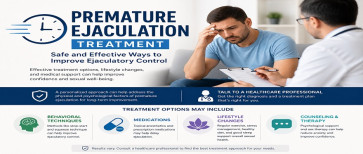
Finding the right premature ejaculation treatment begins with understanding that the condition is both common and treatable. Behavioral techniques, premature ejaculation exercises, healthy lifestyle changes, counseling, and premature ejaculation medication each have an important role depending on the underlying cause.
If you are looking for how to stop premature ejaculation, avoid relying on unverified online remedies. Instead, consult a qualified healthcare provider who can recommend a personalized treatment plan based on your medical history and individual needs. With the right combination of therapies, many men achieve better control, improved confidence, and a healthier, more satisfying sex life.



Validate your login