

Erectile dysfunction (ED) is a common condition that affects millions of men worldwide. It is defined as the inability to achieve or maintain an erection firm enough for satisfactory sexual activity. While many factors can contribute to ED, one of the most overlooked causes is high blood pressure, also known as hypertension. Understanding the connection between these two conditions can help men take steps to protect both their cardiovascular and sexual health.
Understanding High Blood Pressure
Over time, this increased pressure can damage blood vessels and reduce their ability to function properly. Hypertension is often called a "silent killer" because it may not cause noticeable symptoms until significant damage has already occurred.
The condition can result from various factors, including obesity, poor diet, lack of exercise, smoking, excessive alcohol consumption, stress, and genetics. If left untreated, high blood pressure increases the risk of heart disease, stroke, kidney disease, and other serious health complications.
The Link Between High Blood Pressure and Erectile Dysfunction
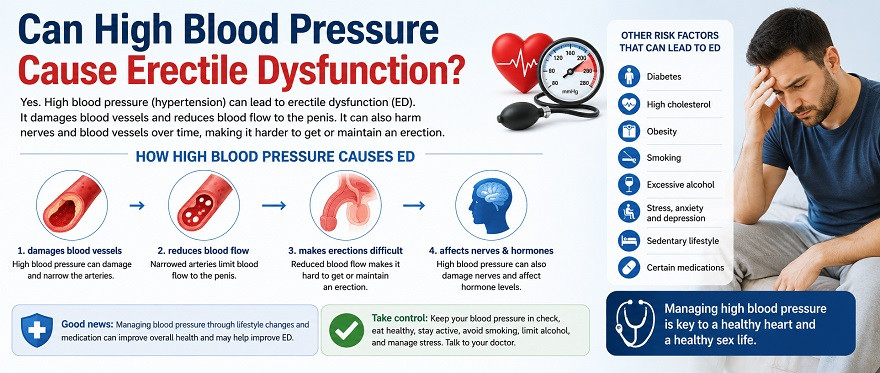
Yes, high blood pressure can cause erectile dysfunction. Achieving an erection depends on healthy blood flow to the penis. When a man becomes sexually aroused, blood vessels widen, allowing increased blood flow into the erectile tissues. This process creates and maintains an erection.
However, high blood pressure can damage the lining of blood vessels, making them less flexible and less efficient at carrying blood. As a result, the amount of blood reaching the penis may be reduced, making it difficult to achieve or sustain an erection.
Since the penile arteries are smaller than many other arteries in the body, they may show signs of vascular damage earlier. In some cases, erectile dysfunction can be an early warning sign of underlying cardiovascular disease.
How Hypertension Affects Sexual Function
High blood pressure contributes to erectile dysfunction in several ways:
- Reduced Blood Flow
Damaged arteries become narrower and stiffer, restricting blood flow throughout the body. Reduced circulation to the penis can make erections weaker or less frequent.
- Damage to Blood Vessel Linings
Hypertension can injure the endothelial cells that line blood vessels. These cells play a crucial role in producing nitric oxide, a substance that helps blood vessels relax and expand during sexual arousal.
- Hormonal Changes
Some studies suggest that long-term hypertension may affect hormone levels, including testosterone. Low testosterone can contribute to reduced libido and sexual performance issues.
- Psychological Effects
Living with a chronic condition such as high blood pressure can cause anxiety, stress, and depression. These emotional factors may further contribute to erectile dysfunction and reduced sexual satisfaction.
Newer medications such as ACE inhibitors, angiotensin receptor blockers (ARBs), and calcium channel blockers may have a lower risk of causing ED.
Men should never stop taking prescribed blood pressure medication without consulting their healthcare provider. A doctor may be able to adjust the dosage or recommend an alternative treatment if sexual side effects occur.
Risk Factors That Increase Both Conditions
Several lifestyle factors contribute to both hypertension and erectile dysfunction, including:
- Smoking
- Obesity
- Physical inactivity
- Excessive alcohol use
- Poor diet
- Diabetes
- High cholesterol
- Chronic stress
Addressing these risk factors can improve overall health and may reduce the severity of both conditions.
Can Treating High Blood Pressure Improve Erectile Dysfunction?
Managing blood pressure effectively may help improve erectile function, especially when vascular damage is not severe. Healthy lifestyle changes are often recommended as part of treatment.
These include:
Regular Exercise
Physical activity improves circulation, lowers blood pressure, and enhances cardiovascular health. Even moderate exercise such as walking can provide significant benefits.
Heart-Healthy Diet
A diet rich in fruits, vegetables, whole grains, lean proteins, and healthy fats can support healthy blood vessels and improve blood pressure control.
Weight Management
Losing excess weight can reduce strain on the cardiovascular system and improve sexual function.
Quitting Smoking
Smoking damages blood vessels and significantly increases the risk of erectile dysfunction. Quitting can improve circulation and overall health.
Stress Reduction
Managing stress through relaxation techniques, meditation, or counseling may help improve both blood pressure and sexual performance.
When to See a Doctor
Men experiencing persistent erectile dysfunction should seek medical evaluation, especially if they have high blood pressure or other cardiovascular risk factors. ED is not simply a normal part of aging and may indicate an underlying health problem that requires attention.
A healthcare provider can assess blood pressure, review medications, perform necessary tests, and recommend appropriate treatment options.
Conclusion
High blood pressure is a significant risk factor for erectile dysfunction. By damaging blood vessels and reducing blood flow to the penis, hypertension can interfere with the body's ability to achieve and maintain an erection. In some cases, blood pressure medications may also contribute to sexual side effects. Fortunately, lifestyle changes, proper blood pressure management, and medical treatment can often improve both cardiovascular and sexual health. If you experience erectile dysfunction, discussing your symptoms with a healthcare professional is an important step toward finding an effective solution and protecting your overall well-being.



Validate your login