

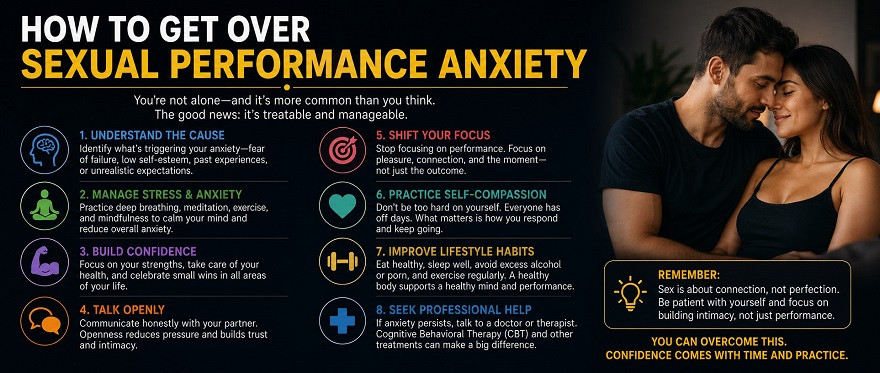
Sexual health is an important part of overall well-being, yet many people experience problems related to intimacy at some point in life. Sexual performance anxiety, ejaculation issues, and erectile difficulties are common concerns that can affect confidence, emotional health, and relationships. These conditions may create stress and frustration, but they are often treatable with the right approach, healthy habits, and professional guidance when needed.
Understanding Sexual Performance Anxiety
Sexual performance anxiety happens when a person becomes nervous or stressed about intimacy. Fear of failure, pressure to satisfy a partner, or negative past experiences can lead to anxiety during sexual activity. This stress can interfere with physical responses and make intimacy less enjoyable.
Anxiety triggers the body’s stress response, which increases tension and reduces relaxation. As a result, some people may struggle with arousal, erection problems, or difficulty reaching orgasm. In many cases, worrying about performance actually creates the problem itself.
Performance anxiety can affect people of all ages and genders. However, it is more commonly discussed in men because anxiety often contributes to erectile difficulties and ejaculation issues.
Common Causes of Sexual Difficulties
Several emotional and physical factors may contribute to sexual problems. Stress from work, finances, family pressure, or relationship conflicts can negatively affect mental focus and emotional connection.
Low self-esteem and body image concerns may also reduce confidence during intimacy. Many people compare themselves to unrealistic standards shown in media or adult content, which creates unnecessary pressure.
Physical health conditions such as diabetes, obesity, heart disease, hormonal imbalance, and high blood pressure can affect sexual function. Smoking, excessive alcohol use, lack of sleep, and poor diet may also reduce sexual performance.
Certain medications, depression, and anxiety disorders can contribute to erectile difficulties or ejaculation problems. Understanding the root cause is important for finding the right solution.
Erectile Difficulties and Their Impact
Erectile difficulties, often called erectile dysfunction, occur when a person regularly struggles to achieve or maintain an erection suitable for intimacy. Occasional erection problems are normal and may happen because of stress, fatigue, or nervousness. However, persistent difficulties can affect confidence and relationships.
Performance anxiety is one of the leading psychological causes of erectile difficulties. A person may fear failure so intensely that stress prevents proper arousal. This creates a cycle where anxiety leads to erection problems, and the experience increases future anxiety.
Physical causes may include reduced blood flow, hormonal imbalance, nerve damage, or medical conditions affecting circulation. Lifestyle habits such as smoking and lack of exercise can also increase the risk.
Fortunately, many cases improve through stress management, communication, lifestyle changes, and medical treatment when necessary.
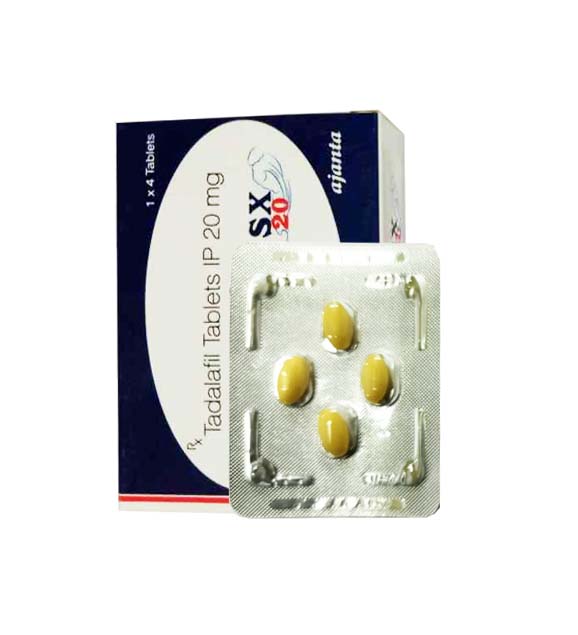
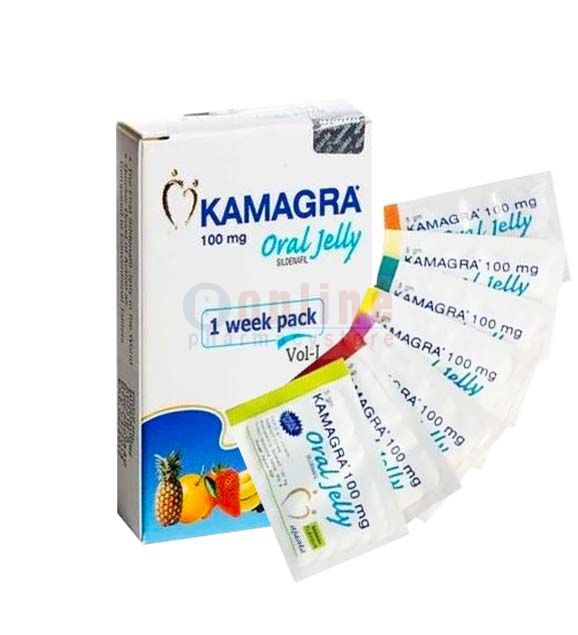
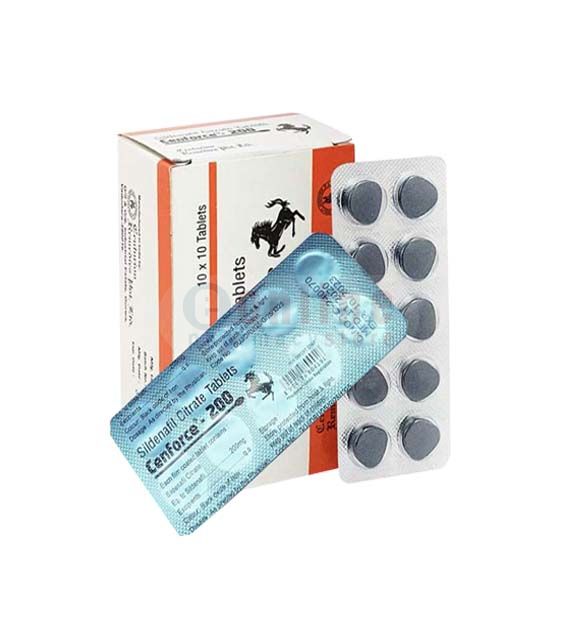
Ejaculation Issues Explained
Ejaculation problems are another common sexual concern. These issues may include premature ejaculation, delayed ejaculation, or difficulty ejaculating at all.
Premature ejaculation occurs when ejaculation happens sooner than desired during intimacy. This issue often creates embarrassment and frustration. Anxiety, stress, and overstimulation are common psychological causes.
Delayed ejaculation refers to difficulty reaching climax despite arousal and stimulation. Emotional stress, medications, nerve conditions, or relationship issues may contribute to this problem.
Some individuals may also experience reduced control over ejaculation due to nervousness or lack of confidence. The good news is that many ejaculation issues can improve with therapy, relaxation techniques, communication, and behavioral exercises.
Importance of Open Communication
Communication is one of the most effective ways to reduce sexual anxiety and improve intimacy. Many people avoid discussing their concerns because they feel embarrassed or ashamed. However, silence often increases emotional pressure and misunderstanding.
Talking honestly with a partner builds trust and emotional connection. A supportive partner can provide reassurance and help reduce unrealistic expectations. Couples who communicate openly often experience less pressure and more satisfying intimacy.
Instead of focusing only on performance, partners should focus on comfort, affection, and emotional closeness. Removing the pressure to “perform perfectly” can significantly improve confidence and relaxation.
Relaxation and Mindfulness Techniques
Relaxation methods can help reduce anxiety and improve sexual confidence. Deep breathing exercises calm the nervous system and reduce physical tension. Meditation and mindfulness techniques help people stay focused on the present moment instead of worrying about failure.
Mindfulness encourages awareness of sensations, emotions, and connection rather than negative thoughts. This can improve emotional intimacy and reduce overthinking during intimacy.
Other relaxation methods include yoga, warm baths, calming music, and spending quality time together before intimacy. Creating a comfortable and stress-free environment can help both partners feel more relaxed and connected.
Healthy Lifestyle Habits
Physical health strongly affects sexual performance and confidence. Regular exercise improves blood circulation, energy, mood, and hormonal balance. Activities such as walking, jogging, swimming, and yoga reduce stress while supporting overall wellness.
A healthy diet rich in fruits, vegetables, lean proteins, and whole grains supports cardiovascular health and improves energy levels. Drinking enough water and limiting processed foods may also benefit sexual health.
Avoiding smoking and excessive alcohol consumption is important because both can negatively affect blood flow and sexual function. Proper sleep is equally essential since fatigue and sleep deprivation increase stress and reduce energy.
Maintaining a healthy lifestyle not only improves physical performance but also boosts self-confidence and emotional well-being.
Changing Negative Thought Patterns
Negative thoughts can worsen anxiety and sexual difficulties. Thoughts like “I will fail,” “I am not good enough,” or “I will disappoint my partner” create unnecessary pressure and fear.
Replacing these beliefs with realistic and positive thinking can improve confidence. Positive self-talk such as “I can relax,” “I deserve intimacy,” and “Perfection is not necessary” helps create a healthier mindset.
It is important to understand that occasional sexual difficulties are normal and do not define a person’s worth or masculinity. Focusing on emotional connection instead of unrealistic expectations reduces pressure and increases comfort.
Professional Treatment and Support
If sexual performance anxiety, erectile difficulties, or ejaculation problems continue for a long time, professional support may be helpful. Doctors and therapists can identify physical or psychological causes and recommend effective treatments.
Therapy, especially cognitive behavioral therapy (CBT), helps individuals change negative thought patterns and reduce anxiety. Couples counseling can improve communication and emotional connection.
Medical treatments may include medications, hormone therapy, or lifestyle recommendations depending on the underlying cause. Seeking professional help is a positive step toward better health and confidence.
Conclusion
Sexual performance anxiety, ejaculation issues, and erectile difficulties are common challenges experienced by many people. Although these problems can affect confidence and relationships, they are often manageable with healthy habits, emotional support, and proper treatment.
Open communication, relaxation techniques, positive thinking, and a healthy lifestyle can improve both emotional and physical intimacy. Patience and self-acceptance are essential during recovery. By focusing on connection rather than perfection, individuals and couples can build healthier, more satisfying intimate relationships.
FAQs
What causes erectile difficulties?
Stress, anxiety, poor lifestyle habits, medical conditions, and hormonal imbalance can contribute to erectile difficulties.
Can anxiety lead to premature ejaculation?
Yes, anxiety and nervousness can increase tension and reduce control over ejaculation.
Are occasional erection problems normal?
Yes, occasional difficulties are common and may occur because of stress, fatigue, or emotional pressure.
Does exercise improve sexual health?
Regular exercise improves blood circulation, confidence, energy, and overall sexual wellness.
When should someone seek professional help?
If sexual difficulties become frequent, affect relationships, or cause emotional distress, consulting a doctor or therapist is recommended.



Validate your login