

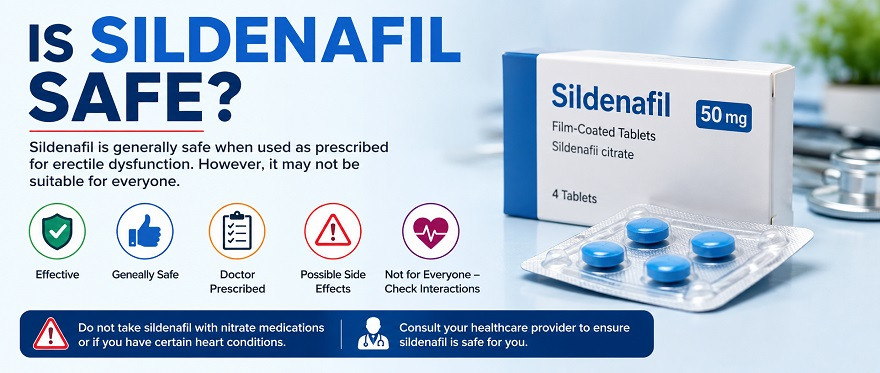
Sildenafil is a prescription medication widely used to treat erectile dysfunction (ED) in adult men. sildenafil has been extensively studied in clinical trials and real-world medical practice, making it one of the most well-established treatments for ED.
Many patients ask whether sildenafil is safe before starting treatment. The answer depends on several factors, including an individual's medical history, current medications, underlying health conditions, and whether the medicine is taken exactly as prescribed. For most healthy adults with erectile dysfunction, sildenafil has a favorable safety profile when used under the supervision of a qualified healthcare professional.
This guide explains the safety of sildenafil, who can safely use it, possible side effects, precautions, and situations where the medication should be avoided.
Is Sildenafil Safe?
Yes. Sildenafil is generally considered safe for most adults diagnosed with erectile dysfunction when prescribed by a licensed healthcare provider. Regulatory authorities worldwide have approved sildenafil after extensive evaluation of its safety, effectiveness, and quality.
The medication has been used by millions of patients globally. Clinical research demonstrates that sildenafil effectively improves erectile function while maintaining an acceptable safety profile when taken according to prescribing recommendations.
However, no medication is completely risk-free. Before starting sildenafil, a healthcare professional should evaluate your cardiovascular health, current medications, and any existing medical conditions to determine whether treatment is appropriate.
Recommended ED Medications
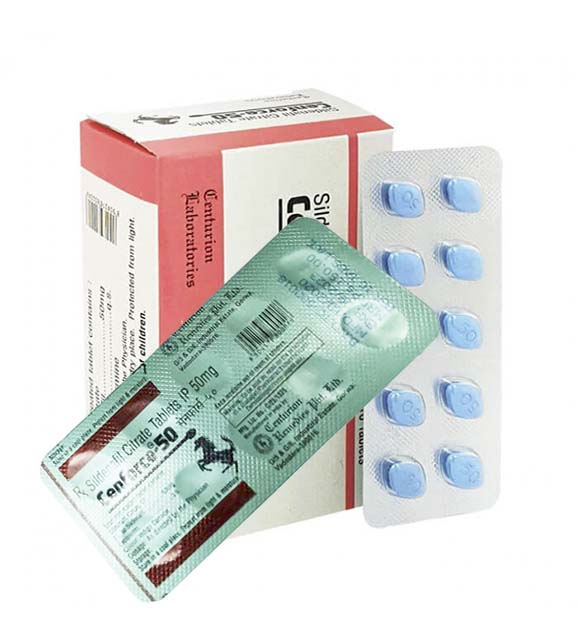
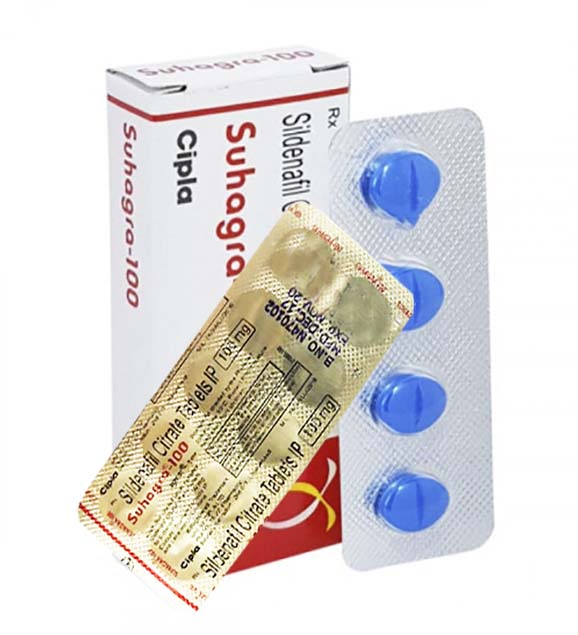

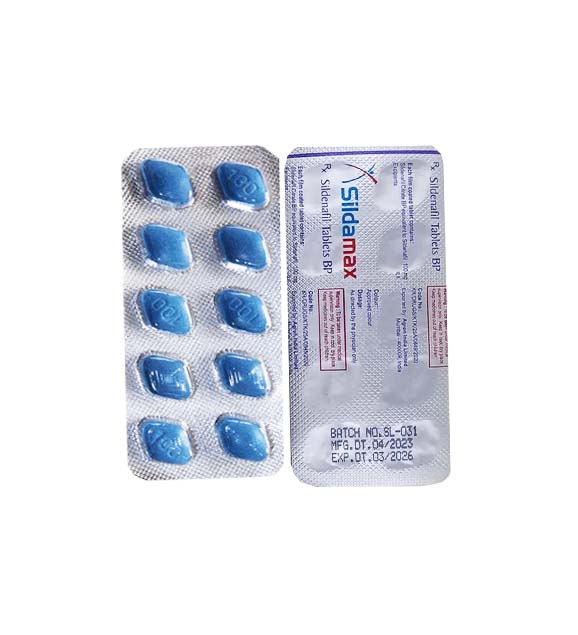
How Sildenafil Works
Sildenafil is a phosphodiesterase type 5 inhibitor that improves erectile function by enhancing blood flow to the penis during sexual stimulation. It works by preventing the breakdown of cyclic guanosine monophosphate (cGMP), a molecule that relaxes the smooth muscles of the penile blood vessels. This allows the blood vessels to widen, increasing blood flow and supporting an erection.
Sildenafil does not increase sexual desire or cause an erection on its own. Sexual stimulation is necessary for the medication to be effective.
Who Can Use Sildenafil Safely?
Sildenafil may be appropriate for adult men with erectile dysfunction who have undergone a medical evaluation and received a prescription.
Many patients can safely use sildenafil if they:
- Have erectile dysfunction confirmed by a healthcare provider.
- Follow the prescribed dosage instructions.
- Understand the proper timing of administration.
- Are not taking medications that interact with sildenafil.
- Have no medical conditions that make sexual activity unsafe.
Your healthcare provider will determine whether sildenafil is suitable based on your overall health.
Who Should Avoid Sildenafil?
Sildenafil should not be used in certain situations because serious complications may occur.
Avoid sildenafil if you:
- Take nitrate medications for chest pain or heart disease.
- Use recreational nitrate-containing drugs.
- Have a known allergy to sildenafil or any tablet ingredient.
- Have severe hypotension (very low blood pressure).
- Have been advised by your physician to avoid sexual activity due to cardiovascular disease.
Additional caution may be required for patients with:
- Recent heart attack or stroke.
- Significant heart rhythm disorders.
- Severe liver disease.
- Advanced kidney impairment.
- Certain inherited retinal disorders.
- Anatomical abnormalities of the penis.
- Blood disorders that increase the risk of prolonged erections.
Only a healthcare professional can determine whether sildenafil is appropriate in these situations.
Common Side Effects
Like all medications, sildenafil may cause side effects. Most are mild, temporary, and resolve without treatment.
Common side effects include:
- Headache
- Facial flushing
- Nasal congestion
- Dizziness
- Indigestion
- Mild nausea
- Back discomfort
- Temporary visual disturbances, including blue-tinged vision or increased light sensitivity
These effects are generally short-lived and often become less noticeable with continued use.
Serious Side Effects
Serious adverse reactions are uncommon but require immediate medical attention.
Seek emergency medical care if you experience:
- Chest pain after taking sildenafil
- Sudden loss of vision
- Sudden decrease or loss of hearing
- Severe allergic reaction with swelling or difficulty breathing
- Fainting
- An erection lasting longer than four hours (priapism)
Prompt treatment is essential to prevent permanent complications.
Drug Interactions
Certain medications can interact with sildenafil and increase the risk of serious side effects.
Important interactions include:
- sildenafil and nitrate interaction
- Nitric oxide donors
- Guanylate cyclase stimulators
- Alpha-blockers
- Some antifungal medicines
- Certain antibiotics
- HIV protease inhibitors
- Medications that strongly affect liver enzyme CYP3A4
Always provide your healthcare provider with a complete list of prescription medicines, over-the-counter products, vitamins, and herbal supplements before starting sildenafil.
Can People with Heart Disease Take Sildenafil?
Not all heart disease prevents sildenafil use. Many individuals with stable cardiovascular disease may safely take sildenafil after medical evaluation.
However, sildenafil is not appropriate for everyone with heart disease. Patients with unstable angina, uncontrolled hypertension, severe heart failure, or recent cardiovascular events require careful assessment before treatment.
Because sexual activity itself places additional demands on the heart, healthcare providers evaluate overall cardiovascular fitness before prescribing ED medication.
Alcohol and Sildenafil
Moderate alcohol consumption does not usually prevent sildenafil from working. However, excessive alcohol intake can reduce erectile function and increase the likelihood of side effects such as dizziness, headache, flushing, and low blood pressure.
Limiting alcohol may improve both treatment effectiveness and safety.
Can Sildenafil Be Taken Every Day?
Some patients take sildenafil as needed, while others may receive daily treatment under medical supervision. The appropriate dosing schedule depends on the individual's condition, response to therapy, and healthcare provider's recommendation.
Patients should never increase the dose or frequency without professional medical advice.
Safe Use Recommendations
To maximize safety:
- Take sildenafil exactly as prescribed.
- Swallow the tablet with water.
- Do not exceed the prescribed dose.
- Avoid combining sildenafil with nitrate medications.
- Inform your doctor about all current medications.
- Report any unusual or severe side effects immediately.
- Attend regular follow-up appointments if using long-term therapy.
Proper medical supervision significantly reduces the risk of complications.
Frequently Asked Questions
Is sildenafil safe for long-term use?
Clinical evidence indicates that sildenafil remains safe and effective for many patients when used according to medical advice and monitored by a healthcare professional.
Can sildenafil cause dependence?
No. Sildenafil is not physically addictive and does not cause drug dependence.
Is sildenafil safe for older adults?
Many older adults use sildenafil safely. However, age-related medical conditions and concurrent medications may require dosage adjustments and closer monitoring.



Validate your login