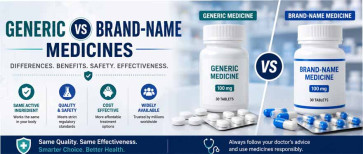
When a doctor prescribes a medicine, patients may have a choice between a brand-name product and a generic version. This often leads to questions about their differences, effectiveness, safety, and cost. Although generic and brand-name medicines may have different names, packaging, colors, or shapes, an approved generic medicine contains the same active ingredient as its corresponding brand-name medicine.
Understanding how these medicines compare can help patients make informed decisions and use medications more safely.
What Is a Generic Medicine?
A generic medicine is a medication that contains the same active ingredient as an approved brand-name medicine. It is generally intended to provide the same therapeutic effect when used
Strongyloides stercoralis is a soil-transmitted parasitic roundworm responsible for strongyloidiasis. What makes this infection medically important is not simply its ability to affect the intestine, but its unusual capacity to remain inside the human body for years through autoinfection. A person may therefore carry the parasite without significant symptoms and later develop severe disease if their immune system becomes suppressed.
Strongyloidiasis occurs predominantly in tropical and subtropical regions, although infections are also recognized in temperate areas. WHO estimates that approximately 300–600 million people may be infected worldwide, highlighting the substantial but frequently underrecognized burden of this parasitic disease.





Validate your login