

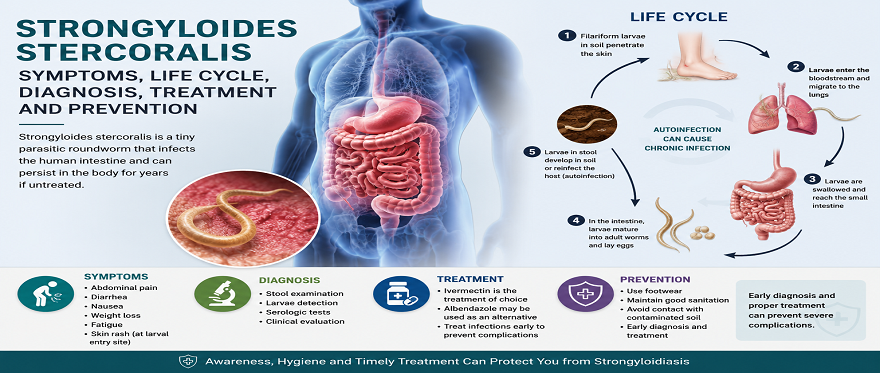
Strongyloides stercoralis is a soil-transmitted parasitic roundworm responsible for strongyloidiasis. What makes this infection medically important is not simply its ability to affect the intestine, but its unusual capacity to remain inside the human body for years through autoinfection. A person may therefore carry the parasite without significant symptoms and later develop severe disease if their immune system becomes suppressed.
Strongyloidiasis occurs predominantly in tropical and subtropical regions, although infections are also recognized in temperate areas. WHO estimates that approximately 300–600 million people may be infected worldwide, highlighting the substantial but frequently underrecognized burden of this parasitic disease.
What Is Strongyloides stercoralis?
Strongyloides stercoralis is a nematode, commonly referred to as a threadworm. Unlike many intestinal worms, its life cycle includes both environmental and parasitic stages.
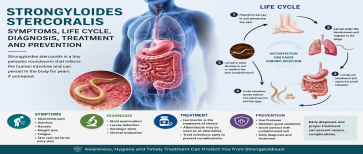
Human infection generally begins when infective larvae present in contaminated soil penetrate the skin. After entering the body, the larvae migrate through tissues and eventually reach the small intestine. There, they mature into adult female worms that produce eggs. These eggs hatch within the intestinal tract, releasing larvae that can either leave the body in feces or continue the infection internally.
This internal route is the feature that makes S. stercoralis particularly distinctive.
How Does Strongyloides Infection Occur?
Transmission usually follows skin contact with contaminated soil. Barefoot exposure is an important risk factor because infective larvae can actively penetrate human skin. Agricultural work, outdoor activities and living in areas where sanitation is inadequate can increase opportunities for exposure.
Once larvae penetrate the skin, they migrate through the body before reaching the intestine. Importantly, a person does not necessarily need another exposure to contaminated soil for infection to continue.
Understanding the Strongyloides Life Cycle
The life cycle has several stages and can be broadly divided into environmental development and infection of the human host.
After infective larvae enter through the skin, they migrate and ultimately reach the small intestine. Adult female worms reside in the intestinal mucosa and produce eggs that hatch into rhabditiform larvae.
At this point, two pathways are possible. Some larvae are eliminated in feces and can continue developing in soil. Others transform into infective larvae while still inside the host. These larvae can penetrate the intestinal wall or perianal skin and begin another infection cycle. This process is known as autoinfection.
Autoinfection explains why untreated strongyloidiasis can persist for many years and why a previous exposure can remain clinically relevant long after a person has left an endemic region.
What Symptoms Can Strongyloides Cause?
Strongyloidiasis can range from completely asymptomatic infection to severe, potentially life-threatening disease. Chronic infection may produce intermittent symptoms that are easily mistaken for other gastrointestinal or allergic conditions.
Possible manifestations include:
- Abdominal discomfort or pain
- Intermittent or persistent diarrhea
- Nausea
- Changes in bowel habits
- Itchy skin
- Urticaria or recurrent hives
- Cough or wheezing
- Respiratory discomfort during larval migration
A characteristic rash called larva currens may occur because of repeated autoinfection. Unlike many other parasitic skin eruptions, larva currens can move rapidly across the skin and may recur over time.
Some infected individuals have no obvious symptoms at all. This silent presentation is one reason strongyloidiasis can remain undiagnosed for prolonged periods.
Why Can Strongyloidiasis Become Dangerous?
The greatest concern is Strongyloides hyperinfection syndrome and disseminated strongyloidiasis.
In a person with normal immune function, the infection may remain relatively mild or asymptomatic. However, immunosuppression can dramatically alter the course of the disease. Corticosteroid therapy is a particularly important risk factor, while other immunocompromising conditions can also increase the likelihood of severe infection.
During hyperinfection, the parasite's normal autoinfective cycle becomes greatly accelerated. Large numbers of larvae can migrate through the gastrointestinal tract and lungs. In disseminated disease, larvae may spread to organs beyond their usual route.
Severe complications can include respiratory failure, gastrointestinal injury, bloodstream bacterial infections and central nervous system involvement. WHO describes disseminated disease as a potentially deadly complication, with reported case fatality exceeding 60%.
For this reason, identifying previous Strongyloides exposure can be particularly important before starting significant immunosuppressive treatment.
How Is Strongyloidiasis Diagnosed?
Diagnosis can be difficult because larvae may be shed intermittently and parasite numbers in stool can be low. A single negative stool examination therefore does not necessarily exclude infection.
Laboratory approaches can include examination of stool specimens, specialized concentration or culture techniques, molecular tests such as PCR, and serological testing for Strongyloides-specific antibodies. WHO notes that there is no single universally accepted diagnostic method that serves as a perfect gold standard.
Repeated or specialized testing may be appropriate when clinical suspicion remains high despite an initial negative result.
Healthcare professionals may give particular attention to people with unexplained eosinophilia, compatible symptoms, epidemiological exposure, or a history of residence or travel in endemic areas.
Treatment of Strongyloidiasis
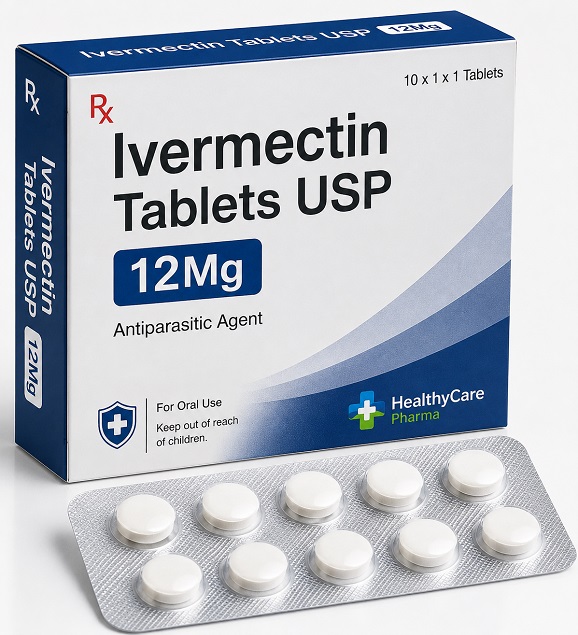
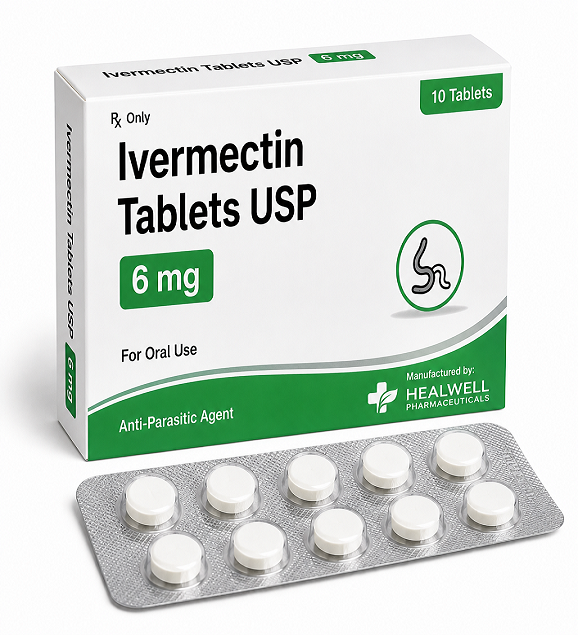
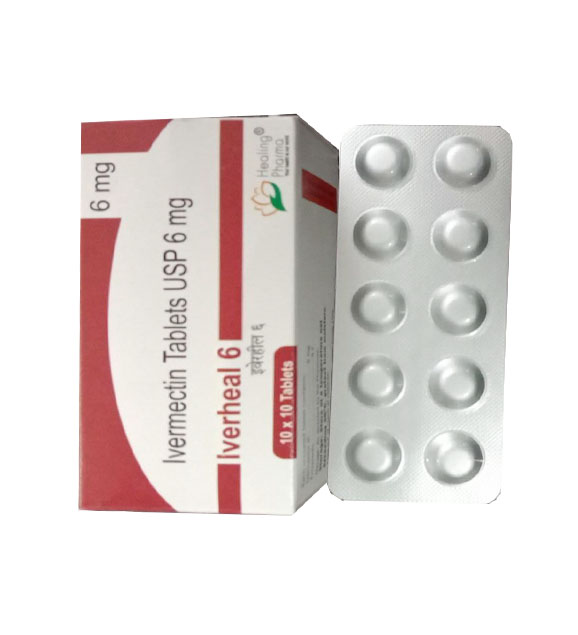
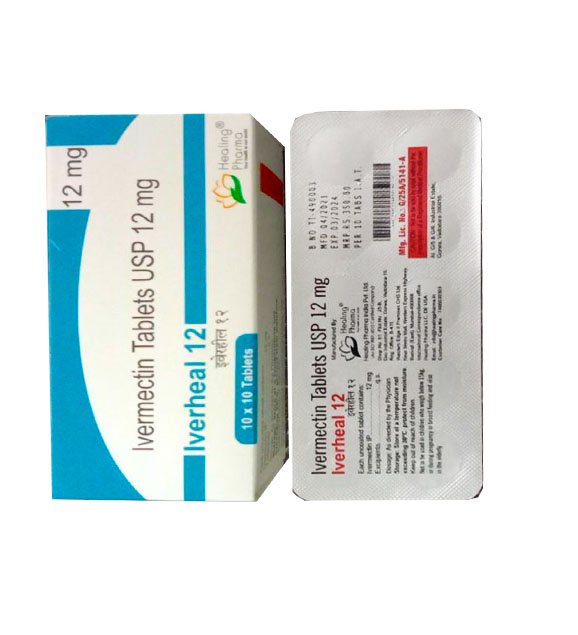
Ivermectin for Humans is commonly used as the standard treatment for chronic Strongyloides stercoralis infection. WHO recommends oral ivermectin as the preferred therapy, although the appropriate treatment regimen may vary depending on the patient's clinical condition and individual medical circumstances
Treatment should be selected by a healthcare professional rather than based solely on symptoms or an internet dosing schedule. The patient's age, body weight, immune status, pregnancy or breastfeeding status, other infections, medications and whether the infection is uncomplicated or severe may all affect clinical management.
Patients with suspected hyperinfection or disseminated disease require urgent medical evaluation and specialist management rather than routine treatment for uncomplicated infection.
Who Should Consider Medical Evaluation?
People who have lived in or spent substantial time in regions where strongyloidiasis occurs should inform their healthcare provider about that history, especially if they develop compatible symptoms or are being considered for immunosuppressive therapy.
This is particularly important before prolonged or high-dose corticosteroid treatment. A previously silent infection can become dangerous when immune defenses are weakened.
Can Strongyloidiasis Be Prevented?
Prevention primarily involves reducing exposure to contaminated soil and improving sanitation.
Practical measures include:
- Wearing shoes when walking outdoors in potentially contaminated soil
- Avoiding unnecessary direct skin contact with contaminated ground
- Maintaining appropriate sanitation facilities
- Ensuring human feces are disposed of safely
- Seeking medical advice after relevant exposure when immunosuppressive treatment is planned
Improved sanitation and appropriate management of human waste can substantially reduce environmental transmission.
Frequently Asked Questions
Can Strongyloides stercoralis remain in the body for years?
Yes. The parasite's autoinfection cycle allows untreated infection to persist for many years and potentially throughout a person's lifetime.
Can Strongyloidiasis occur without symptoms?
Yes. Many infections are asymptomatic or cause nonspecific symptoms, making diagnosis challenging.
Is eosinophilia always present?
No. Eosinophilia can occur with strongyloidiasis, but its absence does not reliably exclude infection, particularly in severe disease.
What is the main treatment for Strongyloides stercoralis?
Oral ivermectin is the standard treatment for chronic strongyloidiasis. The appropriate regimen should be determined by a healthcare professional according to the patient's clinical circumstances.
Can ivermectin cause side effects when treating Strongyloides stercoralis?
Side Effects of Ivermectin: Ivermectin can cause side effects in some people when used to treat strongyloidiasis. Possible reactions may include dizziness, nausea, diarrhea, abdominal discomfort, headache, or fatigue. The treatment regimen should be determined by a healthcare professional based on the individual's clinical circumstances.
Why is Strongyloides screening important before corticosteroids?
Corticosteroids and other forms of immunosuppression can increase the risk of accelerated autoinfection, hyperinfection and disseminated disease in people carrying S. stercoralis.
Conclusion
Strongyloides stercoralis is more than an ordinary intestinal worm. Its ability to reinfect the same host internally means that an infection acquired years earlier can remain clinically relevant. While chronic strongyloidiasis may cause few symptoms, immunosuppression can transform an otherwise subtle infection into a serious and potentially fatal disease.
Recognizing exposure history, understanding the parasite's unusual life cycle and using appropriate diagnostic testing are central to effective management. When infection is confirmed, ivermectin remains the standard therapy for chronic strongyloidiasis. Early recognition is particularly important for people who may require immunosuppressive treatment.





Validate your login